



Digital competition is intense. Companies constantly fight for the attention of the same potential customers across search engines and social media platforms. Relying solely on free, organic growth methods can take months or even years to generate meaningful traffic. Businesses need fast, scalable strategies to stay ahead.
This is where paid marketing steps in. By investing capital directly into ad platforms, companies can bypass the slow grind of organic algorithms and place their brand directly in front of their ideal buyers.
If you want to accelerate your growth, you need to understand how these paid channels operate. This guide explains the core concepts of paid advertising, explores the most effective channels, and shows you how to use them to scale your business rapidly.
Book Your Free Growth Strategy Call
What Is Paid Marketing?
Paid marketing is a digital strategy where brands pay advertising platforms to show their content to specific audiences. Advertisers typically pay a fee each time a user clicks their ad or views it.
This model differs significantly from organic marketing, which relies on unpaid tactics like search engine optimization (SEO) and regular social media posts to attract attention over time. Organic marketing builds long-term authority, while a well-executed paid advertising strategy delivers immediate visibility. These two approaches work best together. Paid ads drive immediate traffic while your organic efforts build sustainable, free traffic in the background.
Types of Paid Marketing Channels
You have multiple options when deciding where to place your ads. The best choice depends on where your audience spends their time.
Search Engine Advertising
Search ads appear at the top of search engine results pages when users look for specific keywords. Google Ads is the most popular platform for this. Effective Google Ads management ensures your brand appears exactly when a potential customer is actively searching for your product or service.
Social Media Advertising
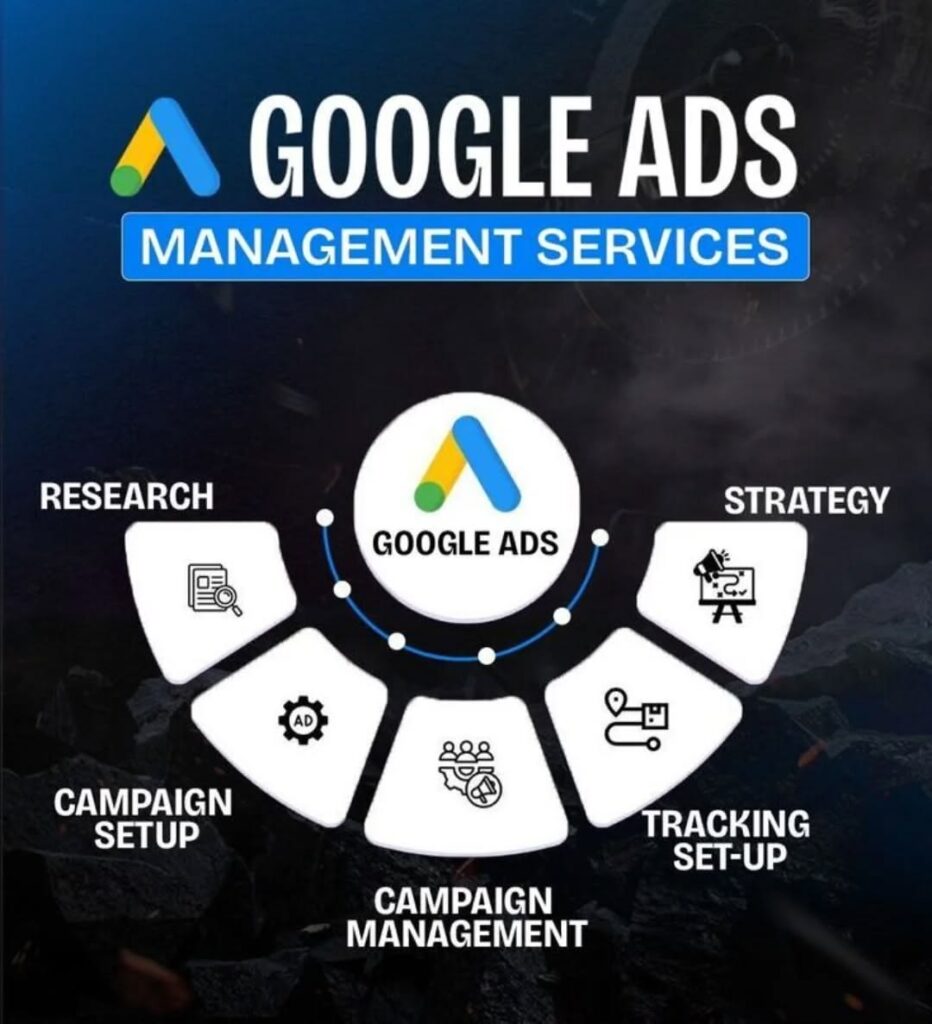
Platforms like Facebook, Instagram, LinkedIn, and X allow you to display ads within users’ social feeds. These platforms offer incredibly detailed targeting options based on user demographics, interests, and past behaviors.
Display Advertising
Display ads are visual banners placed on third-party websites across the internet. They are excellent for building brand awareness and keeping your company top-of-mind as users browse the web.
Video Advertising
YouTube Ads and sponsored TikTok videos allow you to engage users with rich, moving media. Video marketing is highly effective for demonstrating complex products and building emotional connections with viewers.
Native Advertising
Native ads match the look, feel, and function of the media format in which they appear. They often look like recommended articles at the bottom of news sites, making them less intrusive than traditional banner ads.
How Paid Marketing Works
Most paid platforms use an auction-based bidding system to determine which ads appear and how much they cost.
Advertisers choose a payment model, such as:
- Cost Per Click (CPC): You pay only when someone clicks your ad.
- Cost Per Mille (CPM): You pay per 1,000 ad impressions (views).
- Cost Per Action (CPA): You pay when a user completes a specific action, like signing up for a newsletter or making a purchase.
When a user searches for a keyword or loads a webpage, an automated auction takes place in milliseconds. The platform evaluates the bids, the relevance of the ads, and the quality of the advertisers’ landing pages to decide which ad wins the top spot.
Key Benefits of Paid Marketing
Investing in a paid advertising strategy offers several distinct advantages for growing businesses.
First, it provides instant visibility. Your ads can go live and start generating traffic the same day you launch the campaign. Second, the targeting capabilities are incredibly precise. You can show ads only to people who live in a specific city, fall into a certain age bracket, or have recently visited your website.
These campaigns are also highly scalable. If an ad is profitable, you can simply increase the daily budget to drive more sales. Finally, paid campaigns offer measurable performance. You can track exactly how many people saw your ad, clicked it, and made a purchase, allowing you to calculate a precise return on investment (ROI).
Paid Marketing vs Organic Marketing
Understanding the difference between paid and organic channels is crucial for allocating your resources effectively.
Organic marketing requires a massive time investment. Writing blog posts, optimizing website architecture, and building a social media following takes consistent effort over many months. However, the long-term cost is low, and the results can be highly sustainable.
Paid marketing requires an immediate financial investment. As soon as you stop paying, the traffic stops. However, the results are instantaneous. If you need to generate leads this week or promote a time-sensitive sale, paid ads are the clear choice.
How Paid Marketing Helps Businesses Scale Faster
Scaling a business requires a predictable, repeatable way to acquire new customers. Paid marketing provides exactly that.
By running targeted ads, you can generate a rapid influx of leads for your sales team. This speed is vital for startups and companies looking to hit aggressive quarterly targets. Furthermore, paid ads allow you to expand into new geographical markets instantly. You can test international interest in your product simply by changing the location settings in your ad campaign.
Paid channels also increase brand awareness quickly, ensuring your target audience recognizes your company name. When you launch a new product, paid ads guarantee that your announcement reaches thousands of relevant buyers immediately.
Advanced Targeting and Audience Reach
The true power of modern ad platforms lies in their targeting features.
Demographic targeting lets you filter audiences by age, gender, income level, and education. Behavioral and interest-based targeting goes deeper, allowing you to reach people based on their recent purchases, the pages they follow, or the topics they read about online.
Retargeting is perhaps the most powerful feature. This strategy shows ads specifically to people who have already visited your website but left without buying. Reminding these warm leads about your product often results in high conversion rates.
Budget Control and ROI Measurement
You maintain complete control over your ad spend. Platforms allow you to set strict daily and campaign budgets, ensuring you never spend more than you authorize.
Because every interaction is tracked, you can monitor key metrics like Click-Through Rate (CTR), Cost Per Click (CPC), and overall conversion rate. By analyzing this data, you can pause underperforming ads and shift your budget toward the campaigns generating the highest ROI.
Common Paid Marketing Strategies
Successful companies rarely rely on a single ad format. They use different strategies for different stages of the customer journey. Many businesses hire agencies providing PPC services to manage these complex, multi-layered campaigns.
A standard approach involves running search ads to capture high-intent users who are actively looking to buy. Simultaneously, they run social media ads to introduce their brand to new audiences. Finally, they use retargeting campaigns to bring back users who showed interest but didn’t convert on their first visit. Continuous A/B testing—running two variations of an ad to see which performs better—is used to refine these strategies over time.
Mistakes to Avoid
Even with a healthy budget, campaigns can fail if poorly executed.
Poor targeting is a common trap. Showing ads to an audience that is too broad will drain your budget on clicks from people who will never buy. Ignoring analytics is another fatal error; you must review your data regularly to cut wasteful spending.
Additionally, weak ad creatives will fail to capture attention, resulting in low click-through rates. Finally, sending paid traffic to a confusing or slow-loading landing page will cause users to bounce before converting.
Best Practices for Successful Campaigns
To maximize your success, start with clear goals and key performance indicators (KPIs). Know exactly what a successful campaign looks like before you spend a single dollar.
Develop strong ad copy and eye-catching visuals that clearly communicate the value of your product. Commit to continuous testing. Experiment with different headlines, images, and targeting options to see what resonates best with your audience. Most importantly, ensure your paid campaigns integrate smoothly with your overall marketing strategy, aligning with your organic content and email marketing efforts.
Fuel Your Growth With Paid Ads
Paid marketing is an indispensable tool for businesses looking to scale. By offering immediate visibility, precise audience targeting, and measurable ROI, paid campaigns allow you to accelerate customer acquisition and outpace your competitors.
While organic growth is important for long-term stability, paid ads provide the fuel needed for rapid expansion. Start with a clear budget, test your strategies carefully, and optimize based on your data. Invest strategically in these platforms, and you will unlock a powerful engine for predictable business growth.
Ready to scale your business faster with paid marketing?
Launch high-performing ad campaigns that drive instant traffic, leads, and sales.
Related Posts
Social Media Marketing in 2026: Proven Strategies to Grow Your Business
Introduction Social media has become much more than a place for businesses to share updates.…
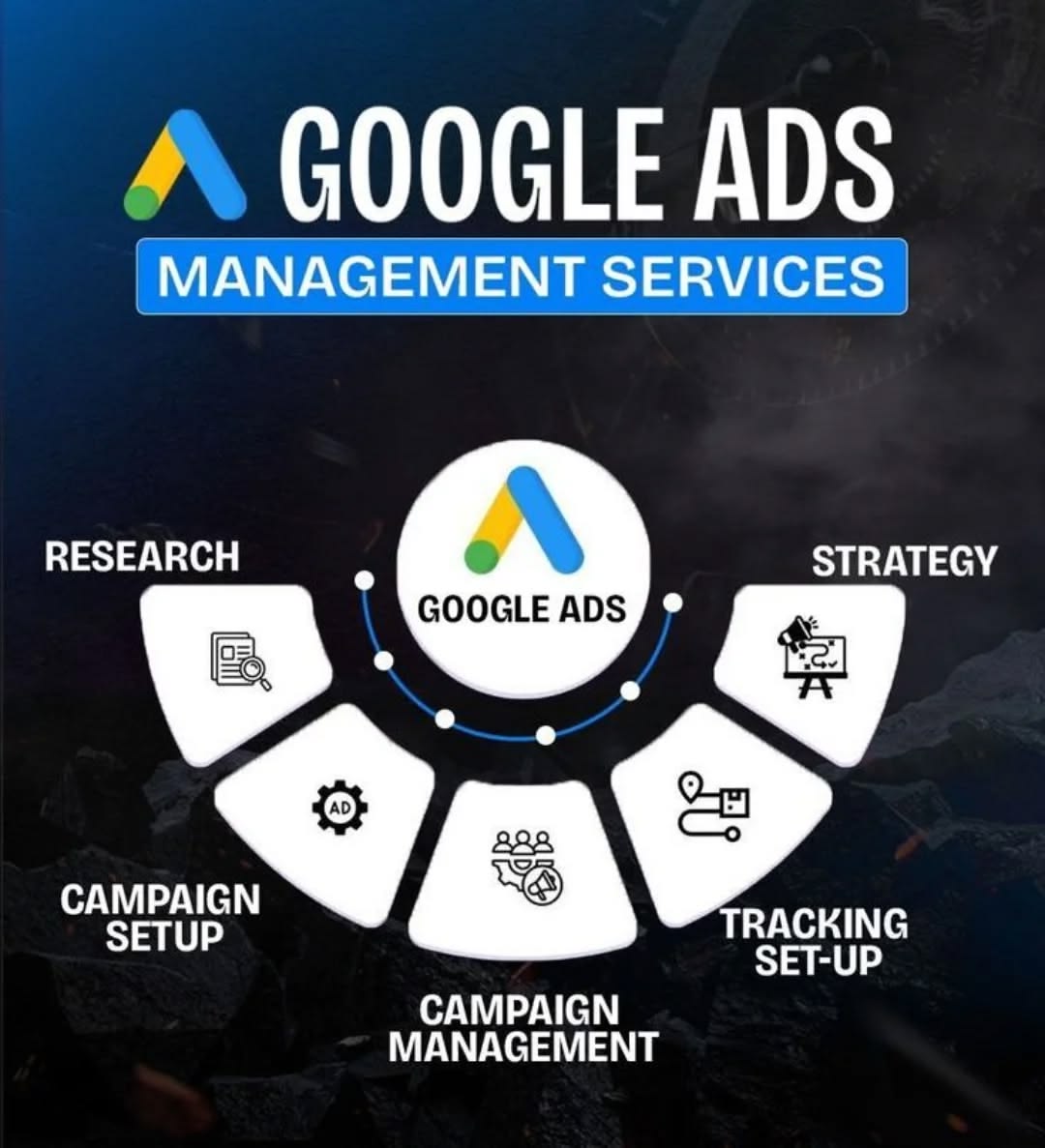
How Google Ads Management Can Maximize Your ROI
In today’s competitive digital marketplace, businesses need more than just visibility—they need measurable results. While…
SEO, Paid Ads, or Social Media: The Best Marketing Strategy for Your Business
Every business owner reaches a point where they have to make a critical decision: where…
Google Ads vs Facebook Ads: Which Paid Channel Is Right for You?
Paid digital advertising has become one of the most powerful levers a business can pull…