



In 2026, businesses can no longer rely only on traditional advertising to attract and retain customers. People search for products online, compare businesses on search engines, interact with brands on social media, and read reviews before making purchasing decisions. As a result, digital marketing has become an essential part of business growth.
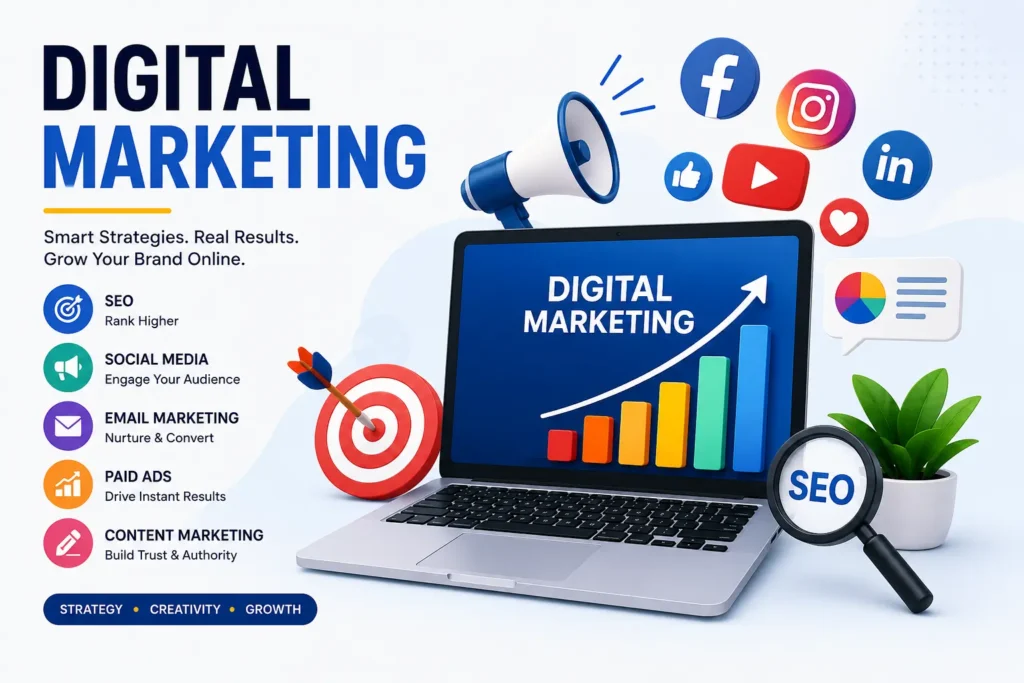
Whether you run a small local business, a startup, an ecommerce store, or an established company, a strong online presence can help you reach the right audience and generate consistent growth. However, simply being active online is not enough. Businesses need a well-planned digital marketing strategy that connects different channels and focuses on measurable results.
This guide explores the most important areas of digital marketing and explains how businesses can use them to grow in 2026.
What Is Digital Marketing?
Digital marketing is the promotion of a business, product, or service through online channels and digital technologies. It helps businesses connect with potential customers through search engines, websites, social media, email, online advertising, and other digital platforms.
Unlike traditional marketing, digital marketing allows businesses to track and analyze campaign performance. You can measure website traffic, leads, engagement, conversions, and sales to understand which strategies are producing results.
Some of the most common digital marketing channels include:
- Search engine optimization (SEO)
- Content marketing
- Social media marketing
- Pay-per-click advertising (PPC)
- Email marketing
- Video marketing
- Local SEO
- Conversion rate optimization
- Online reputation management
The main objective is to attract the right audience, build trust, and encourage potential customers to take action.
Why Digital Marketing Matters for Business Growth in 2026
The way people discover and interact with businesses continues to change. Customers expect brands to be easy to find online and provide fast, useful, and personalized experiences.
Here are some of the biggest reasons businesses should invest in digital marketing.
Reach More Potential Customers
The internet allows businesses to reach customers beyond their immediate location. Depending on your business model, you can target people in your local area, across the country, or around the world.
Search engines and social media platforms also provide powerful targeting options, allowing businesses to focus their marketing efforts on specific audiences.
Increase Brand Visibility
Consistent online visibility helps customers become familiar with your brand. When your business appears in search results, publishes useful content, and actively engages with customers, it becomes easier to build recognition and credibility.
A strong digital presence can also help your business stand out from competitors.
Generate Qualified Leads
A successful digital marketing strategy does more than bring visitors to your website. It attracts people who are genuinely interested in your products or services.
For example, SEO can help your business appear when someone searches for a service you provide. A useful blog post can answer their questions, while a well-designed landing page can encourage them to contact your business.
Measure Your Results
One of the biggest advantages of digital marketing is the ability to track performance.
Businesses can monitor metrics such as:
- Website traffic
- Keyword rankings
- Click-through rates
- Leads generated
- Conversion rates
- Cost per lead
- Return on investment
This data helps businesses understand what is working and where improvements are needed.
Key Digital Marketing Strategies for 2026
A successful online marketing plan usually combines several channels. The right combination depends on your industry, audience, goals, and budget.
Search Engine Optimization
SEO is one of the most important long-term digital marketing strategies. It focuses on improving your website’s visibility in organic search results.
A strong SEO strategy may include:
- Keyword research
- Technical SEO
- On-page optimization
- Content creation
- Internal linking
- Local SEO
- Link building
- Website speed optimization
The goal is to help search engines understand your website while providing visitors with useful and relevant information.
In 2026, businesses should focus on creating genuinely helpful content instead of relying on keyword stuffing. Content should match search intent, demonstrate expertise, and provide a positive user experience.
Content Marketing
Content marketing helps businesses attract and educate their target audience by publishing valuable information.
Popular content formats include:
- Blog articles
- How-to guides
- Case studies
- Videos
- Infographics
- Ebooks
- Webinars
- Frequently asked questions
For example, a web development company could publish guides about website performance, responsive design, or ecommerce development. This type of content can attract potential customers while demonstrating industry expertise.
Content marketing can also support SEO by creating more opportunities for your website to rank for relevant searches.
Social Media Marketing
Social media provides businesses with a direct way to communicate with their audience. Platforms such as Facebook, Instagram, LinkedIn, TikTok, and YouTube can help brands increase awareness and build communities.
The best social media strategy depends on where your target customers spend their time.
Businesses can share:
- Educational posts
- Short-form videos
- Customer testimonials
- Product demonstrations
- Company updates
- Industry insights
- Behind-the-scenes content
The focus should be on creating meaningful interactions rather than simply increasing follower numbers.
Pay-Per-Click Advertising
PPC advertising can help businesses generate immediate visibility on search engines and social platforms.
With PPC, businesses pay when users click on their advertisements. Successful campaigns require carefully selected keywords, compelling ad copy, optimized landing pages, and ongoing performance analysis.
PPC can be particularly useful for businesses launching new products, promoting special offers, or targeting competitive keywords.
However, businesses should measure conversions and revenue rather than focusing only on clicks and impressions.
Email Marketing
Email marketing remains an effective way to build relationships with customers and nurture leads.
Businesses can use email campaigns to share:
- Promotional offers
- Newsletters
- Product updates
- Educational content
- Personalized recommendations
- Event announcements
Building a high-quality email list allows businesses to communicate directly with people who have already shown interest in their brand.
How to Build an Effective Digital Marketing Strategy
Creating a successful digital marketing strategy starts with a clear understanding of your business goals and customers.
Define Your Business Goals
Before launching a campaign, decide what you want to achieve.
Your goals may include:
- Increasing website traffic
- Generating more leads
- Improving online sales
- Increasing brand awareness
- Growing your customer base
- Improving customer retention
Clear goals make it easier to select the right channels and measure success.
Understand Your Target Audience
Knowing your audience is essential for effective marketing.
Research your customers’ needs, challenges, interests, and online behavior. Identify the questions they ask and the problems they want to solve.
Understanding your audience allows you to create content and campaigns that are more relevant and persuasive.
Select the Right Channels
You do not need to invest in every digital marketing channel. Choose platforms that align with your audience and goals.
For example, a B2B business may focus on SEO, LinkedIn, email marketing, and content. An ecommerce company may invest more heavily in SEO, social media, paid advertising, and email campaigns.
Create High-Quality Content
Content should provide genuine value to your audience. Instead of creating articles only to target keywords, focus on answering real questions and solving customer problems.
High-quality content can improve visibility, build authority, and support the customer journey.
Track and Improve Performance
Digital marketing requires continuous optimization. Analyze your results regularly and identify which campaigns are generating the best outcomes.
Test different headlines, advertisements, landing pages, content formats, and calls to action. Small improvements over time can have a significant impact on overall performance.
Choosing the Right Digital Marketing Services
The right digital marketing services will depend on your business needs.
A new business may need SEO, website optimization, content marketing, and social media management. An established company may require advanced SEO, PPC management, conversion optimization, and marketing automation.
Before choosing a service, consider:
- Your business objectives
- Your target audience
- Your current online visibility
- Your marketing budget
- Your competitors
- Your expected return on investment
The best strategy is one that supports your specific business goals rather than simply following industry trends.
Should You Hire a Digital Marketing Company or Agency?
Managing multiple marketing channels can be difficult without the right expertise and resources. This is where a digital marketing company or digital marketing agency can help.
A professional agency can provide services such as:
- SEO
- Content marketing
- Social media marketing
- PPC advertising
- Website optimization
- Analytics and reporting
Working with an experienced agency can give your business access to specialized knowledge and help you create a more consistent marketing strategy.
When choosing a digital marketing agency, look for experience, transparent reporting, clear communication, and a focus on measurable results. A good agency should understand your business goals and develop a strategy around your target audience.
When Should You Hire a Digital Marketing Consultant?
A digital marketing consultant can be a good option if your business needs strategic advice but does not require a complete outsourced marketing team.
A consultant can help you:
- Audit your current marketing efforts
- Identify growth opportunities
- Create a marketing roadmap
- Improve your SEO strategy
- Review advertising campaigns
- Analyze website performance
- Recommend suitable marketing channels
Consultants can work with business owners and internal teams to provide expert direction and help improve marketing performance.
The Future of Digital Marketing in 2026
The future of digital marketing will continue to evolve with advances in artificial intelligence, automation, personalization, video, and data analytics.
Businesses will increasingly use technology to understand customer behavior and deliver more relevant experiences. However, technology should support a clear strategy rather than replace human creativity and customer understanding.
Brands that succeed will be those that combine innovative technology with valuable content, strong branding, excellent customer experiences, and consistent communication.
Final Thoughts
In 2026, digital marketing is one of the most effective ways for businesses to increase visibility, attract customers, and achieve sustainable growth. From SEO and content marketing to social media, PPC, and email marketing, businesses have more opportunities than ever to connect with their target audience.
However, success requires more than simply using multiple online channels. A well-planned digital marketing strategy should be based on your business objectives, customer needs, and measurable performance.
Whether you work with a digital marketing company, partner with a digital marketing agency, or hire a digital marketing consultant, the goal should always be the same: create meaningful connections with your audience and turn those connections into measurable business growth.
By investing in the right digital marketing services and continuously optimizing your approach, your business can build a stronger online presence, generate qualified leads, increase conversions, and stay competitive throughout 2026 and beyond.
To Know More:
How Data Analytics Improves Digital Marketing Decisions
Email Marketing vs Social Media Marketing: Which Is Better for ROI?
Related Posts
Why Hiring a Digital Marketing Agency Is Better Than Building an In-House Team
Digital marketing has become an important part of how businesses attract customers, build visibility, and…
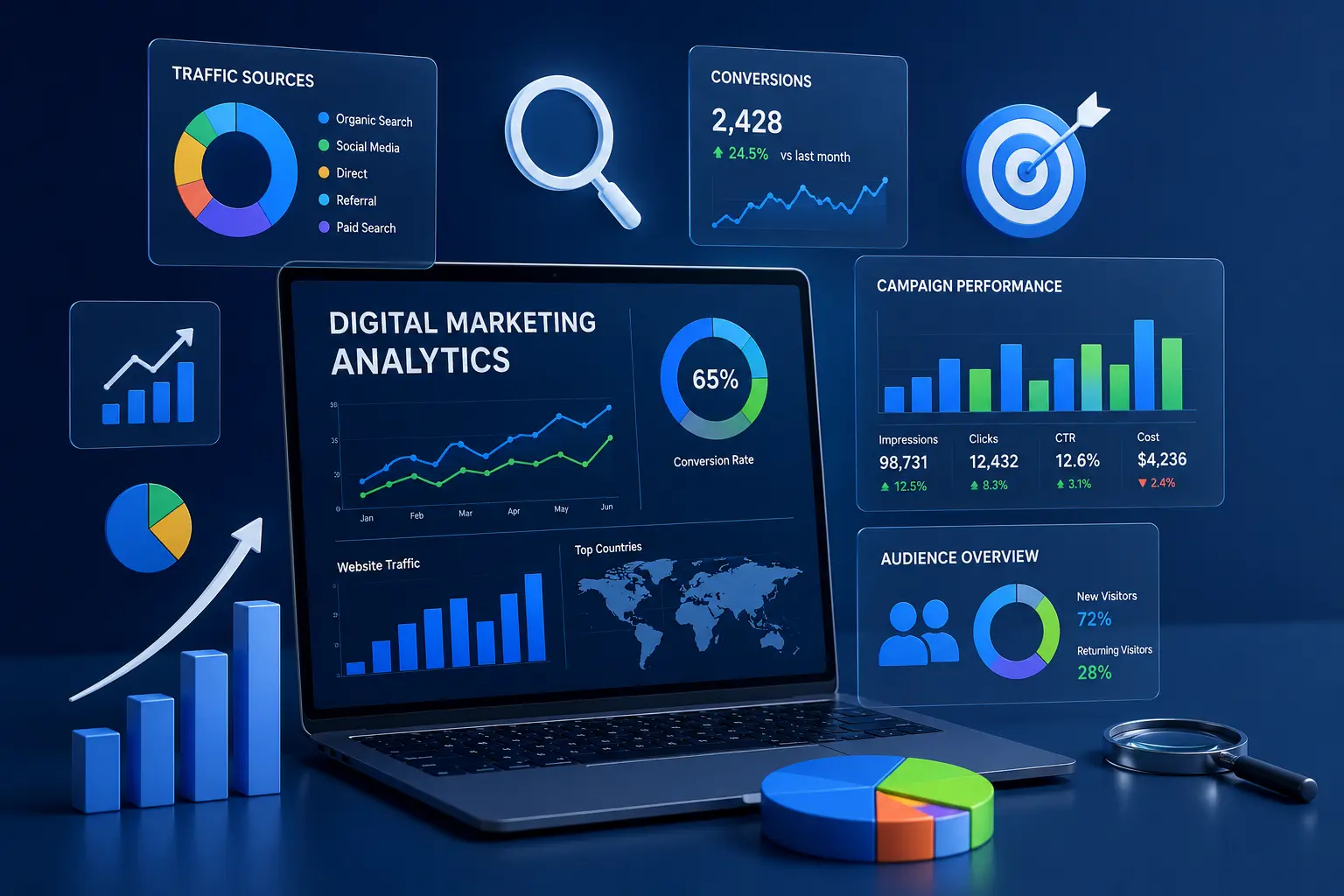
How Data Analytics Improves Digital Marketing Decisions
In today’s competitive online marketplace, successful marketing is no longer based on guesswork. Every click,…
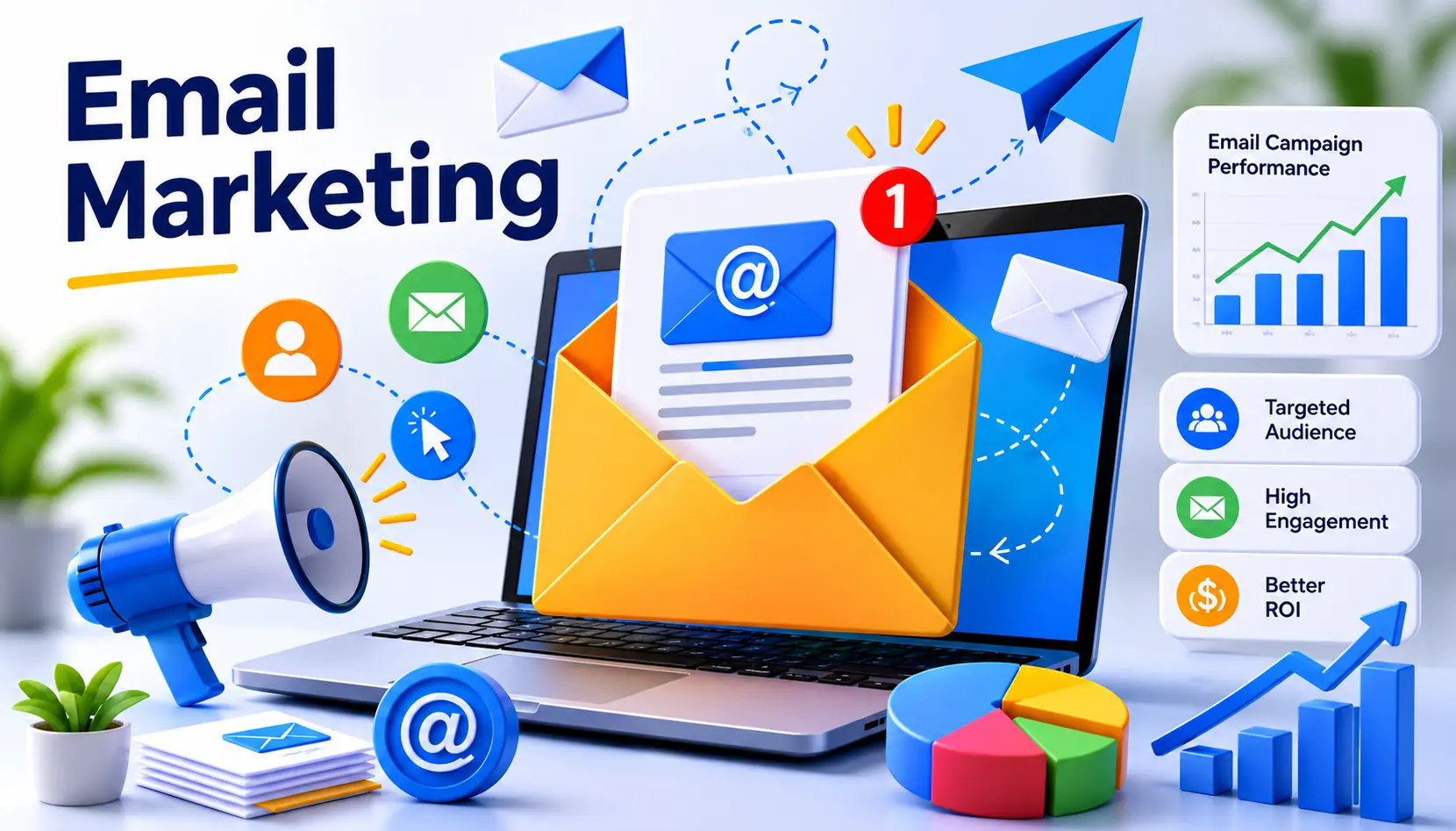
Email Marketing vs Social Media Marketing: Which Is Better for ROI?
In today’s competitive online landscape, businesses are constantly looking for marketing channels that generate the…
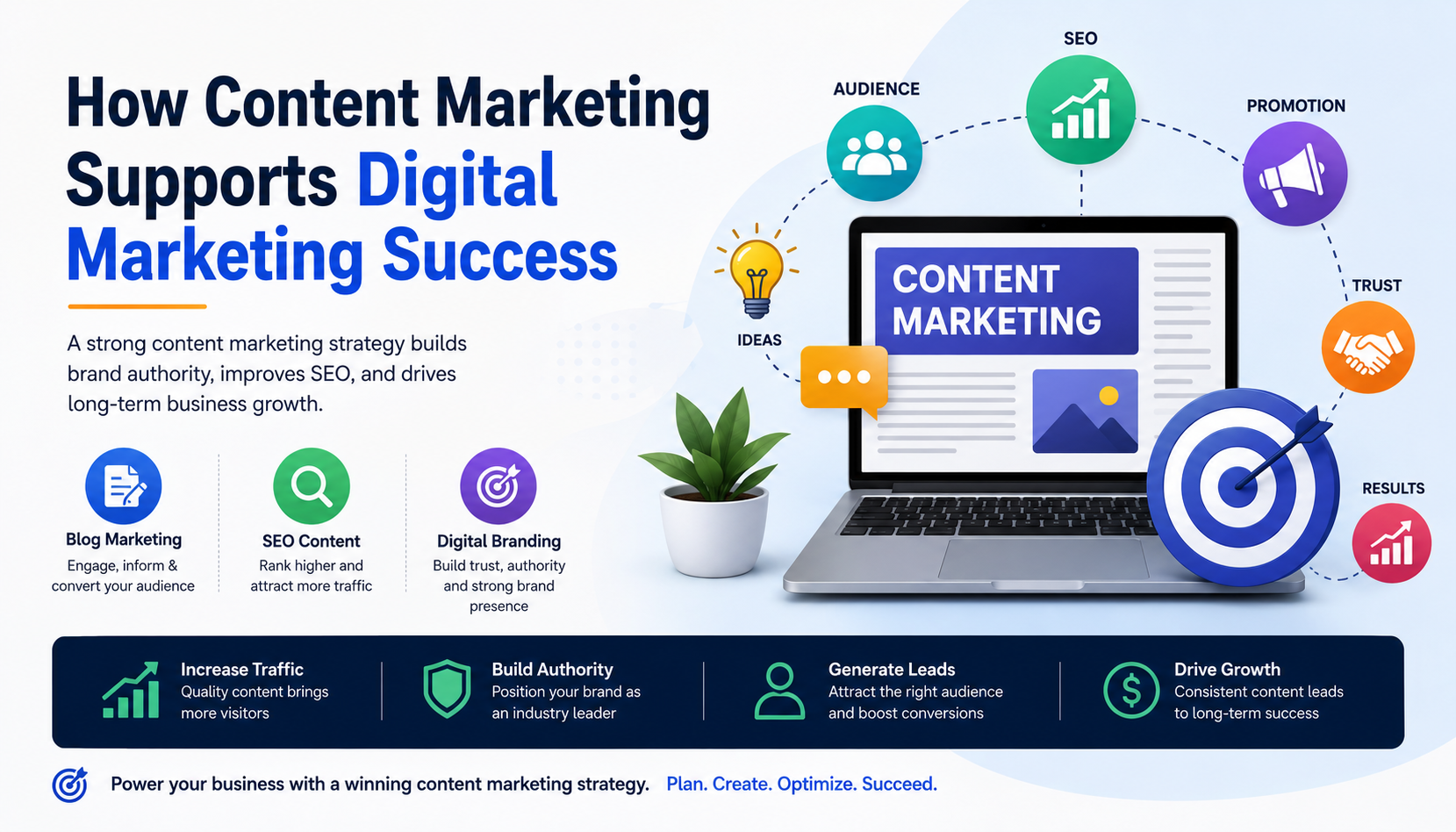
How Content Marketing Supports Digital Marketing Success
In today’s competitive online landscape, businesses need more than paid ads and social media posts…