



Introduction
Social media has become much more than a place for businesses to share updates. In 2026, it plays an important role in how brands attract customers, build trust, generate leads, and stay connected with their audience.
However, simply posting regularly is no longer enough. Businesses need a clear social media and marketing strategy that combines useful content, audience engagement, consistent branding, data analysis, and paid promotion.
Whether you run a small local business, an online store, or a growing company, the right approach to social media marketing can help you reach potential customers and turn online attention into measurable business results.
What Is Social Media Marketing?
Social media marketing is the process of using platforms such as Instagram, Facebook, LinkedIn, TikTok, YouTube, and other relevant channels to promote a business, communicate with customers, and achieve marketing goals.
It can include:
- Creating educational and promotional content
- Building a recognizable brand presence
- Engaging with followers and potential customers
- Sharing videos, images, stories, and other formats
- Running paid advertising campaigns
- Generating website traffic and leads
- Monitoring performance and customer feedback
The most effective approach is not about being active on every platform. It is about choosing the channels where your target audience is most likely to spend time.
Short-form video remains one of the most useful formats for capturing attention. Businesses can explore Instagram for Business to understand how the platform supports business growth and audience engagement.
Why Social Media Marketing Matters in 2026
Consumer behaviour continues to change. People increasingly discover brands through social platforms, watch short-form videos before making decisions, and use social content as part of their research process.
For businesses, this creates several opportunities.
1. Build Brand Awareness
Consistent social media activity helps people become familiar with your business. A strong visual identity, useful content, and a consistent brand voice can make your company easier to recognize.
2. Reach Your Target Audience
Social media platforms platforms provide powerful targeting options. Businesses can create content and campaigns around interests, demographics, behaviours, locations, and other audience characteristics.
3. Generate Leads
Social media can support lead generation through website visits, direct messages, forms, landing pages, and promotional campaigns.
4. Strengthen Customer Relationships
Social platforms allow businesses to communicate directly with customers. Responding to comments, answering questions, and addressing concerns can create stronger relationships and improve customer confidence.
5. Support Sales
Social media can influence customers throughout the buying journey. Someone may first discover a company through a video, follow the account, visit the website later, and eventually become a customer.
Create a Strong Social Media and Marketing Strategy
Before publishing content, define what you want social media to accomplish.
A practical strategy should answer five questions:
Who are you trying to reach?
Understand your ideal customer’s needs, interests, challenges, and online behaviour.
What do you want to achieve?
Your goals might include brand awareness, website traffic, leads, sales, engagement, or customer retention.
Which platforms matter most?
Choose platforms based on your audience and business objectives rather than popularity alone.
What type of content will you create?
Decide which content formats can provide genuine value while supporting your business goals.
How will you measure success?
Set clear performance indicators before launching campaigns.
This approach prevents social media from becoming a collection of random posts with no clear purpose.
Proven Social Media Marketing Strategies for 2026
1. Focus on Short-Form Video
Short-form video remains one of the most useful formats for capturing attention. Businesses can use short videos to explain products, answer common questions, demonstrate services, introduce team members, or share industry insights.
The key is not to create videos simply because they are popular. Each video should have a clear purpose.
For example, a web development company could create short videos explaining common website mistakes, while a restaurant could show how popular dishes are prepared.
2. Create Content That Solves Problems
Promotional posts have their place, but audiences usually respond better when businesses provide something useful.
Consider creating:
- How-to guides
- Quick tips
- Industry insights
- Frequently asked questions
- Product demonstrations
- Customer stories
- Behind-the-scenes content
- Common mistakes to avoid
Useful content gives people a reason to follow your brand instead of simply scrolling past another advertisement.
3. Make Your Brand More Human
People connect with people, not just logos.
Show the people behind your business. Introduce team members, share company milestones, explain how your services work, or provide a behind-the-scenes look at your operations.
Authentic content can make a professional brand feel more approachable and trustworthy.
4. Encourage Engagement
Social media works best when it is treated as a conversation rather than a broadcasting channel.
Ask relevant questions, respond to comments, acknowledge feedback, and encourage customers to share their experiences.
Simple interactions can help turn passive followers into an active community.
5. Use User-Generated Content
Customer reviews, testimonials, photos, videos, and experiences can provide valuable social proof.
With permission, businesses can repurpose genuine customer content across their social channels. This can help prospective customers understand how real people interact with the brand.
6. Repurpose High-Performing Content
Creating completely new content every day is not always necessary.
A strong blog post can become a LinkedIn post, a short video, an infographic, several social posts, or a series of quick tips.
Repurposing allows businesses to extend the value of good content while maintaining a consistent publishing schedule.
Paid Social Media Marketing: What Businesses Should Know
Organic content can help businesses build long-term visibility, but paid social media marketing can accelerate reach and help brands target specific audiences.
Paid campaigns can be used for goals such as:
- Increasing website traffic
- Generating leads
- Promoting products
- Driving online sales
- Building awareness
- Retargeting website visitors
- Promoting special offers
However, spending money on advertisements does not automatically produce results.
Successful campaigns usually depend on the combination of audience targeting, creative quality, compelling messaging, landing-page experience, and ongoing testing.
How to Improve Paid Social Media Campaigns
Define One Clear Goal
Avoid trying to achieve everything with a single campaign. Decide whether the primary objective is awareness, traffic, leads, conversions, or another measurable outcome.
Test Different Creative Formats
Experiment with different images, videos, headlines, messages, and calls to action.
The data can reveal which combinations attract the right audience.
Build Dedicated Landing Pages
Sending every advertisement to your homepage may not provide the best experience.
A dedicated landing page can match the message of the advertisement and guide visitors toward one specific action.
Retarget Interested Visitors
Some people need more than one interaction before they make a purchase or submit an enquiry. Retargeting can help businesses reconnect with people who have already interacted with their website or content.
Measure the Right Social Media Metrics
Follower count alone does not tell you whether your strategy is working.
Depending on your objectives, monitor metrics such as:
- Engagement rate
- Reach
- Impressions
- Video views
- Website traffic
- Click-through rate
- Leads
- Conversions
- Cost per lead
- Return on ad spend
- Customer acquisition cost
For example, a campaign with fewer clicks but highly qualified leads may be more valuable than one that generates thousands of low-quality visitors.
Common Social Media Marketing Mistakes to Avoid
Posting Without a Strategy
Random content can make it difficult to build a recognizable brand or achieve measurable results.
Trying to Be Everywhere
Managing too many platforms can reduce content quality and consistency. Focus on the channels that matter most to your customers.
Over-Promoting Your Business
If every post asks people to buy something, followers may lose interest. Balance promotional content with education, entertainment, inspiration, and conversation.
Ignoring Comments and Messages
Social media is interactive. Failing to respond can create a poor customer experience and cause potential leads to move elsewhere.
Focusing Only on Vanity Metrics
A large follower count is useful, but it does not necessarily mean your business is generating revenue. Connect social performance with meaningful business outcomes.
A Practical Social Media Marketing Plan
Businesses can build a simple monthly workflow around four stages.
Week 1: Research
Review audience interests, competitor activity, previous performance, and current trends.
Week 2: Content Creation
Prepare educational, promotional, entertaining, and brand-focused content.
Week 3: Publishing and Engagement
Publish consistently and actively respond to comments, questions, and messages.
Week 4: Analysis
Review performance and identify which topics, formats, and campaigns produced the strongest results.
Then use those insights to improve the next month’s strategy.
The Future of Social Media Marketing
Social media marketing will continue to evolve as platforms, consumer expectations, and content formats change. Businesses that depend entirely on one platform or one type of content may struggle when audience behaviour shifts.
A stronger approach is to build a recognizable brand, understand your audience, create useful content, test different formats, and use performance data to make better decisions.
Social media should also work alongside other digital marketing channels. Your website, SEO, email marketing, content marketing, and paid advertising can work together to create a more complete customer journey.
Businesses can use Meta Ads to reach specific audiences and promote products, services, or content.
Final Thoughts
Successful social media marketing in 2026 is not about chasing every trend or publishing as often as possible. It is about creating meaningful connections with the right audience and turning those relationships into measurable business results.
Businesses should track important metrics using tools such as Google Analytics to understand website traffic and conversions.
Start with a clear social media and marketing strategy, create content that genuinely helps your audience, engage consistently, and use analytics to understand what works. When organic efforts are combined with carefully planned paid social media marketing, businesses can build visibility while creating more opportunities for leads and sales.
The brands most likely to succeed are those that treat social media as an ongoing business strategy rather than a short-term promotional channel.
Related Posts
How a Social Media Marketing Agency Can Increase Brand Awareness and Sales
Social media has become an important marketing channel for businesses looking to build brand awareness,…
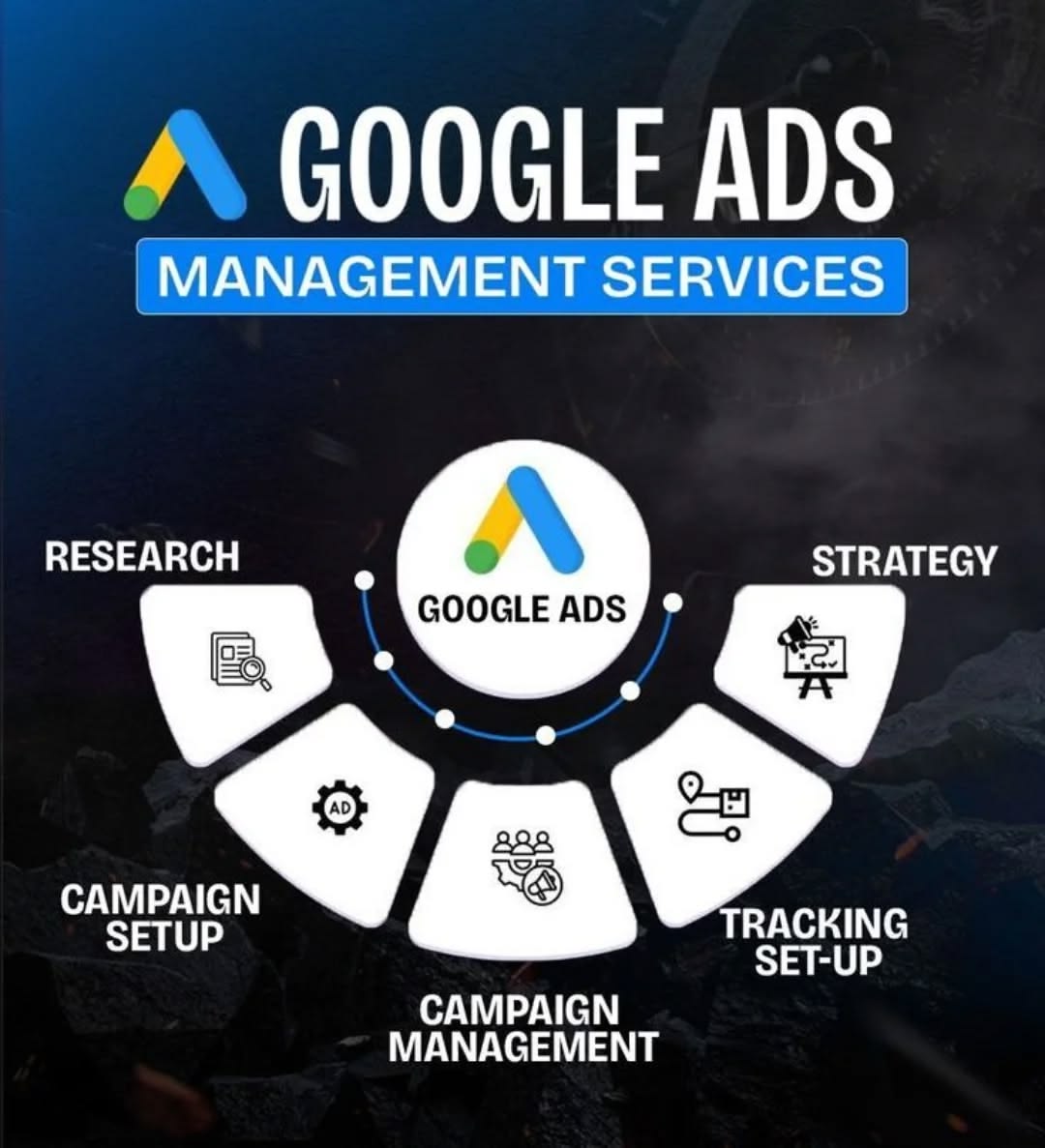
How Google Ads Management Can Maximize Your ROI
In today’s competitive digital marketplace, businesses need more than just visibility—they need measurable results. While…
What Is Paid Marketing? How to Scale Your Business Faster
Digital competition is intense. Companies constantly fight for the attention of the same potential customers…

SEO, Paid Ads, or Social Media: The Best Marketing Strategy for Your Business
Every business owner reaches a point where they have to make a critical decision: where…