

Every business owner reaches a point where they have to make a critical decision: where should the marketing budget go? With so many channels competing for attention—and dollars—it’s easy to feel overwhelmed. SEO promises long-term results. Paid ads deliver immediate traffic. Social media builds loyalty and brand awareness. But which one actually moves the needle for your business?
The truth is, there’s no single answer that fits every business. The best marketing strategy for your business depends on your goals, budget, industry, and how quickly you need results. This guide breaks down all three major digital marketing approaches—SEO, paid advertising, and social media—so you can make an informed decision and start getting more out of every marketing dollar.
By the end, you’ll have a clear picture of how each strategy works, what it costs, and how to combine them effectively for maximum impact.
Understanding the Three Major Marketing Strategies
Before comparing them, it helps to understand what each strategy actually involves.
What is SEO?
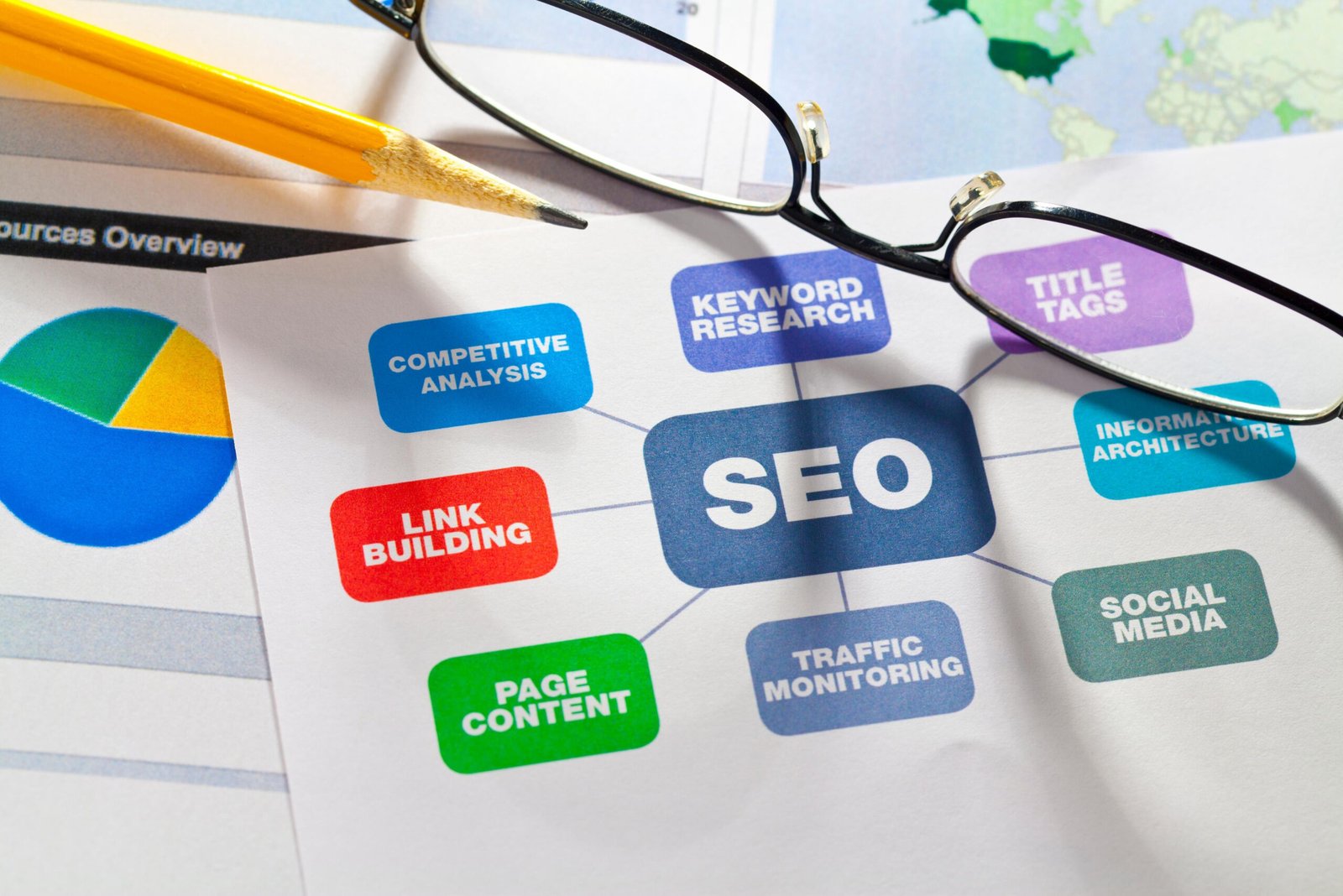
Search Engine Optimization (SEO) is the practice of improving your website so it ranks higher in search engine results pages (SERPs). This includes optimizing your content, building backlinks, improving site speed, and targeting the right keywords. Good SEO drives organic (unpaid) traffic to your site over time.
What are Paid Ads?
Pay-per-click (PPC) advertising lets businesses place ads on platforms like Google, Meta, or LinkedIn and pay each time someone clicks. Unlike SEO, paid ads generate traffic immediately after launch. They’re a core offering of any reputable digital marketing agency and work well for businesses that need quick visibility.
What is Social Media Marketing?
Social media marketing involves creating and sharing content on platforms like Instagram, Facebook, TikTok, LinkedIn, and X (formerly Twitter) to build a following, engage your audience, and drive traffic or sales. It can be organic (unpaid posts) or paid (boosted posts and social ads).
SEO: Long-Term Organic Growth
SEO is often called the “slow burn” of digital marketing—but that reputation undersells its compounding value.
How SEO Works for Businesses
Search engines like Google use complex algorithms to rank web pages based on relevance and authority. SEO services help businesses optimize their websites to meet these criteria, covering everything from technical site health to keyword-rich content and high-quality backlinks.
Benefits of SEO
- Sustainable traffic: Once you rank, you receive consistent visitors without paying per click.
- High purchase intent: People searching for specific terms often know what they want.
- Credibility: High organic rankings signal authority and trustworthiness to potential customers.
- Cost efficiency over time: The return on investment grows as rankings improve.
Challenges of SEO
SEO requires patience. Most businesses don’t see significant results for three to six months—sometimes longer in competitive industries. It also demands ongoing effort: regular content creation, technical audits, and link-building. For businesses that need leads today, SEO alone won’t cut it.
Paid Advertising: Fast Results and Immediate Traffic
If SEO is a marathon, paid advertising is a sprint. It’s the go-to channel for businesses that need results fast.
How Paid Ads Generate Quick Leads
With Google Ads or social paid advertising, your business can appear at the top of search results or in front of a targeted audience within hours of launching a campaign. This makes it especially powerful for product launches, promotions, or seasonal campaigns.
Popular Advertising Platforms
- Google Ads: Captures high-intent search traffic from people actively looking for your product or service.
- Meta Ads (Facebook & Instagram): Excellent for visual products, retargeting, and reaching broad or highly segmented audiences.
- LinkedIn Ads: Best for B2B companies targeting professionals by job title, industry, or company size.
Advantages and Limitations
Paid ads offer precise targeting, measurable results, and immediate visibility. However, the moment you stop spending, the traffic stops too. Costs can also escalate quickly in competitive industries, making it a less sustainable standalone strategy for businesses with tight budgets.
Social Media Marketing: Building Brand Engagement
Social media sits at the intersection of awareness, community, and conversion—and it does each exceptionally well.
The Role of Social Media in Brand Awareness
Platforms like Instagram, TikTok, and LinkedIn give businesses a direct line to their audience. Regular posting keeps your brand top of mind, while compelling content can organically reach thousands of new followers through shares and algorithm-driven recommendations.
Community Building and Customer Interaction
Social media enables two-way conversations. Responding to comments, running polls, and sharing user-generated content all foster a sense of community that no other channel quite replicates. This kind of relationship-building pays dividends in customer loyalty and lifetime value.
How Social Media Drives Traffic and Sales
Beyond brand building, social media can be a genuine revenue driver. Features like Instagram Shopping, TikTok Shop, and swipe-up links in Stories create frictionless paths from content to purchase. Paired with strong offers or influencer partnerships, social media can directly influence your bottom line.
Comparing SEO, Paid Ads, and Social Media
| SEO | Paid Ads | Social Media | |
|---|---|---|---|
| Cost | Low ongoing cost (after setup) | High ongoing spend | Low to medium |
| Time to results | 3–6+ months | Immediate | Weeks to months |
| Traffic quality | High intent | High intent (search) / variable (social) | Medium intent |
| Longevity | Long-term | Short-term | Medium-term |
| Conversion potential | High | High | Medium |
Each channel has distinct strengths. The best marketing strategy for your business depends on which trade-offs you can accept at your current stage of growth.
Which Strategy Is Best for Different Types of Businesses?
Small Businesses and Startups
Startups often face the classic dilemma: they need results quickly but can’t afford to burn through a budget. A balanced approach works best here—use paid advertising for immediate lead generation while investing in SEO to build long-term visibility. Social media helps establish brand identity without requiring a large spend.
eCommerce Brands
eCommerce businesses tend to thrive with a combination of Google Shopping ads, Instagram and TikTok content, and SEO-optimized product pages. Retargeting campaigns via paid advertising are particularly effective for recovering abandoned carts and re-engaging warm audiences.
Local Businesses and Service Providers
Local businesses benefit enormously from local SEO—Google Business Profile optimization, location-based keywords, and customer reviews. Paid ads on Google can also capture local search intent effectively. Social media plays a supporting role in building community trust.
Combining SEO, Paid Ads, and Social Media for Maximum Results
The most successful businesses don’t rely on a single channel. They build an integrated, multi-channel strategy that uses each platform’s strengths to compensate for the others’ weaknesses.
Multi-Channel Marketing in Practice
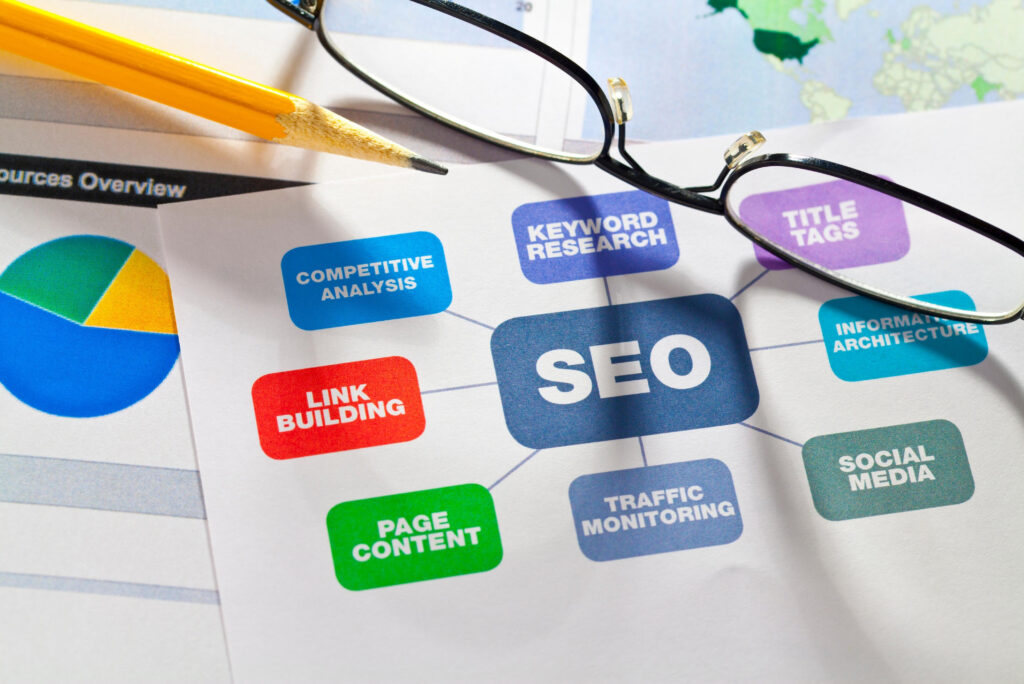
A typical integrated approach might look like this: SEO drives consistent organic traffic and reduces reliance on paid spend over time. Paid ads fill the gap while SEO matures and amplify high-performing offers. Social media nurtures leads, builds brand awareness, and drives repeat purchases through ongoing engagement.
How Integrated Marketing Improves ROI
When your channels work together, the results compound. A blog post optimized for SEO can be repurposed as a LinkedIn article and promoted via paid ads. A social media post that goes viral generates backlinks that strengthen your SEO. Every channel feeds the others. This synergy is why working with a full-service digital marketing agency can be such a smart investment—they ensure your campaigns are aligned and reinforcing each other.
Common Mistakes Businesses Make When Choosing a Marketing Strategy
Relying on Only One Channel
Putting all your marketing budget into a single channel is risky. Algorithm changes can tank your social media reach overnight. A spike in Google Ads competition can double your cost per click. Diversification isn’t just smart—it’s necessary.
Ignoring Data and Analytics
Many businesses launch campaigns but never dig into the numbers. Without tracking key metrics like cost per acquisition, organic traffic growth, and social engagement rates, you can’t optimize your spending. Every channel should have clear KPIs tied to business outcomes.
Neglecting Long-Term Growth
It’s tempting to focus exclusively on quick wins, especially when cash flow is tight. But businesses that ignore SEO services and brand-building activities in favor of short-term paid campaigns often find themselves in a costly cycle of dependency on ad spend with nothing to show for it in the long run.
How to Choose the Right Marketing Strategy for Your Business
Budget Considerations
If your budget is limited, SEO and organic social media offer the best long-term return on a modest investment. If you have capital to deploy quickly, paid advertising can accelerate growth and generate leads while your organic strategy matures.
Business Goals and Target Audience
Define what success looks like before choosing a channel. Launching a new product? Paid ads and social media get the word out fast. Building authority in a competitive industry? SEO is your foundation. Trying to nurture a B2B audience through a long sales cycle? LinkedIn content and email marketing may serve you better.
Industry Competition
In highly competitive industries, achieving organic rankings takes longer and costs more. Paid advertising may be necessary to compete in the short term. In niche markets with less search competition, SEO can deliver outsized returns relatively quickly.
Build the Strategy That Grows With Your Business
There’s no one-size-fits-all answer when it comes to the best marketing strategy for your business. SEO builds a durable foundation. Paid advertising accelerates short-term growth. Social media creates lasting brand connections. Each has a role to play—and the businesses that grow most consistently are those that use all three strategically.
Start by assessing your current goals, budget, and timeline. Choose the channel that best addresses your immediate needs, then layer in the others as your capacity grows. And if you need help building a strategy that integrates all three, partnering with an experienced digital marketing agency ensures your investment is working as hard as possible.
Web Development Services
Build a Website That Drives Results
Digital Marketing Services
Grow Your Business with Smart Digital Marketing
SEO Services
Rank Higher and Get More Organic Traffic
Social Media Marketing Agency London
Elevate Your Brand on Social Media in London
App Development Company
Turn Your App Idea into Reality
Related Posts
Ecommerce SEO: Proven Strategies to Increase Online Sales and Organic Traffic
Running an online store is no longer just about having attractive products and a smooth…
Social Media Marketing in 2026: Proven Strategies to Grow Your Business
Introduction Social media has become much more than a place for businesses to share updates.…
How to Choose the Right SEO Agency for Your Business in the UK
Finding the right SEO partner can make a significant difference to your online success. Whether…
SEO in 2026: The Complete Guide to Growing Your Business Online
In 2026, having a website is no longer enough to grow a business online. Customers…