

Your website serves as the ultimate digital storefront for your brand. User expectations are shifting rapidly, making it vital to keep your online presence fresh, engaging, and highly functional. A poorly designed site can drive potential customers away within seconds. Conversely, a thoughtfully crafted interface builds trust, enhances user experience, and ultimately boosts conversions.
As we look toward the future, staying ahead of the curve is essential for maintaining a competitive edge. The intersection of aesthetics and technology is creating exciting new opportunities for brands to connect with their audiences. By understanding the shifts in digital behavior, companies can make informed decisions about their online strategies.
This comprehensive guide covers the essential web design trends 2026 that businesses need to know. From artificial intelligence and immersive 3D graphics to accessibility and sustainable coding practices, these developments are shaping the future of the internet. Read on to discover how you can leverage these innovations to elevate your brand.
Get Your Free Strategy Session
AI-Driven Personalization in Web Design
Artificial intelligence is fundamentally changing how websites interact with visitors. AI allows businesses to move away from static pages and create highly customized user experiences.
Dynamic content based on user behavior
Websites now analyze user data in real-time to adjust layouts, product recommendations, and messaging. If a visitor frequently browses athletic shoes, the homepage can automatically highlight new running gear upon their next visit. This level of personalization makes users feel understood and significantly increases the likelihood of a purchase.
Minimalist and Clean UI Design
Simplicity continues to dominate modern website design. Cluttered pages overwhelm visitors and distract them from your primary call to action.
The benefits of visual breathing room
Minimalist design relies heavily on whitespace, clear typography, and intuitive navigation. This approach offers several tangible benefits. Clean interfaces load faster, which improves your search engine rankings. Furthermore, a simplified layout guides the user’s eye naturally toward important buttons and forms, removing friction from the conversion process.
Dark Mode and Low-Light UX
Dark mode has transitioned from a niche preference to a standard user expectation. Many users prefer dark interfaces because they reduce eye strain during evening browsing sessions.
Implementing a dark mode toggle gives your visitors control over their viewing experience. Low-light designs also save battery life on mobile devices with OLED screens. When designing for dark mode, ensure you maintain high contrast between text and background elements to keep your content readable.
Micro-Interactions and Advanced Animations
Subtle movements can make a digital interface feel alive. Micro-interactions are small, functional animations that provide visual feedback to the user.
Balancing performance with creativity
Examples include a button changing color when hovered over, a satisfying checkmark animation upon form submission, or a loading bar that entertains the user during a brief wait. These advanced animations keep users engaged and encourage them to interact more deeply with the site. However, developers must balance these creative flourishes with performance. Overloading a page with heavy animations will slow it down and frustrate users.
Mobile-First and Responsive Design
Mobile browsing accounts for a massive portion of global internet traffic. Therefore, prioritizing mobile optimization is no longer optional.
Google’s mobile-first indexing
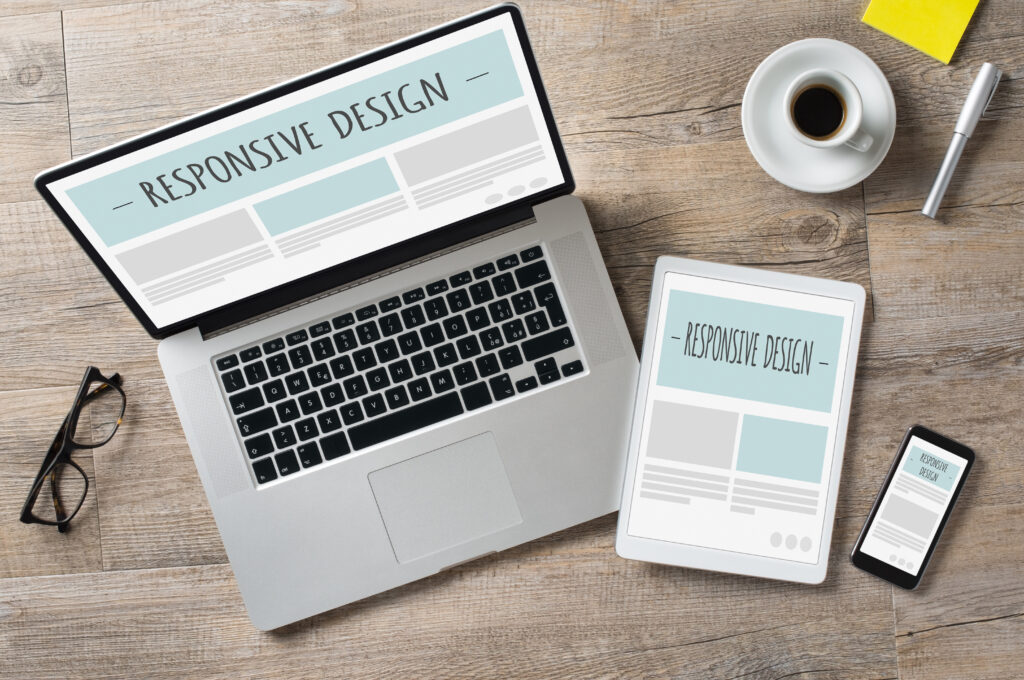
Search engines like Google primarily use the mobile version of a site for indexing and ranking. A flawless responsive web design ensures your site adapts beautifully to any screen size, whether it is a smartphone, tablet, or desktop monitor. Focus on touch-friendly buttons, readable font sizes, and fast-loading media to keep mobile users happy.
Voice User Interface (VUI) Integration
Voice search and smart speakers have changed how people seek information online. Integrating Voice User Interfaces (VUI) into your website allows users to navigate and search using voice commands.
Designing for voice interactions requires a shift in content strategy. You need to anticipate natural conversational queries rather than typed keywords. The future points toward hands-free browsing, making VUI a crucial consideration for forward-thinking brands.
Accessibility-First Design
Inclusive design ensures that everyone, including individuals with disabilities, can use your website effectively.
Following WCAG guidelines
The Web Content Accessibility Guidelines (WCAG) provide a framework for making web content more accessible. This includes adding descriptive alt text to images, ensuring adequate color contrast, and enabling keyboard navigation. Prioritizing accessibility expands your potential audience and helps protect your business from legal complications. It also provides a notable boost to your SEO performance.
3D Elements and Immersive Experiences
Advancements in web technology allow browsers to render complex 3D graphics smoothly.
AR/VR integration
Integrating 3D elements, Augmented Reality (AR), and Virtual Reality (VR) creates highly engaging, immersive experiences. Furniture retailers let customers visualize a couch in their living room using AR. Interactive 3D models allow shoppers to rotate and inspect products before buying. These immersive techniques capture attention and serve as powerful visual storytelling tools.
Fast Loading and Performance Optimization
Users lack the patience to wait for a slow website. Performance optimization is central to user retention and search engine visibility.
Mastering Core Web Vitals
Google’s Core Web Vitals measure speed, responsiveness, and visual stability. To meet these benchmarks, developers must compress images, utilize lazy loading, and leverage Content Delivery Networks (CDNs). A blazing-fast website keeps visitors engaged and signals to search engines that your site provides a high-quality experience.
No-Code and Low-Code Design Tools
The barrier to entry for building professional websites is lowering rapidly. No-code and low-code platforms allow teams to create and update websites without writing extensive lines of code.
These tools offer drag-and-drop interfaces and powerful automation features. They provide massive benefits for startups and small businesses by drastically reducing development time and costs. Popular platforms shaping this trend allow marketing teams to launch landing pages quickly, keeping the business agile.
Bold Typography and Creative Visuals
Typography is taking center stage as a primary design element.
Enhancing brand identity
Large, bold fonts immediately grab attention and communicate your brand’s personality. Unique typography choices can replace heavy background images, keeping the site fast while still looking incredibly stylish. When paired with creative visual storytelling, bold text helps convey your core message instantly and leaves a lasting impression on the visitor.
Sustainability in Web Design
Digital activities consume vast amounts of electricity. As environmental awareness grows, eco-friendly web practices are gaining traction.
Reducing the carbon footprint of your website involves writing efficient code, optimizing media assets to reduce data transfer, and choosing green web hosting providers powered by renewable energy. Sustainable web design benefits the planet and usually results in a faster, more streamlined website.
Integration of Chatbots and Conversational UI
Customer support is being revolutionized by AI-driven chatbots and conversational interfaces.
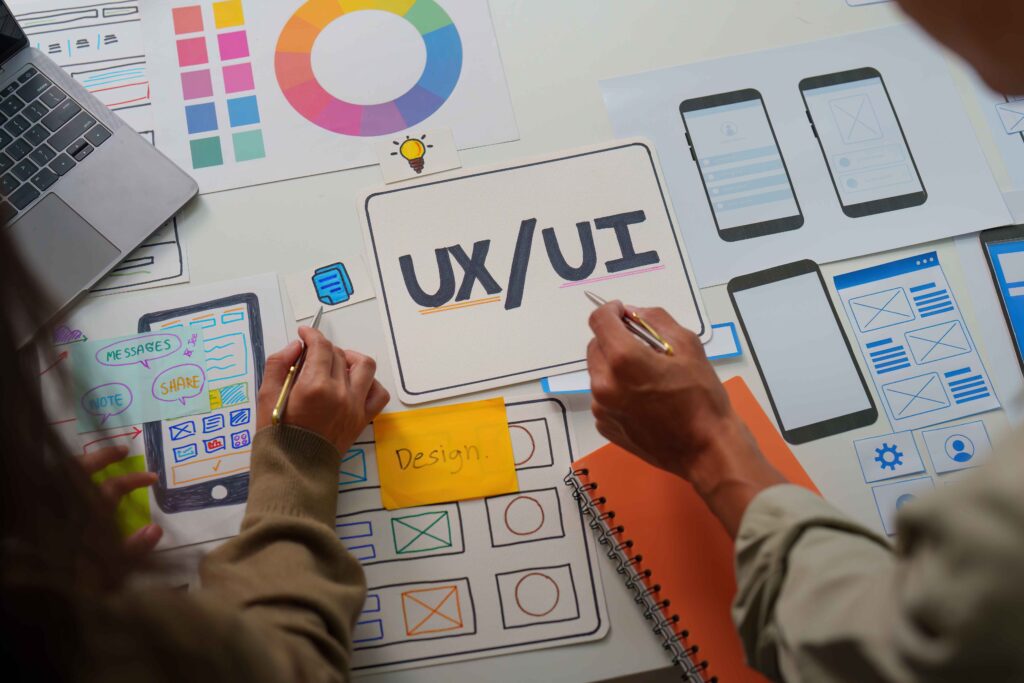
Evolving UI UX trends
Modern chatbots use natural language processing to understand complex questions and provide accurate, helpful answers instantly. They can guide users through a purchasing process, help them track orders, or troubleshoot common issues 24/7. This improves customer satisfaction and frees up your human support team to handle more complicated inquiries.
Preparing your digital presence for the future
The digital landscape shifts rapidly, and maintaining a successful online presence requires continuous adaptation. By embracing AI personalization, prioritizing accessibility, and refining your mobile experience, you position your brand as an industry leader.
Review your current site architecture to see which of these innovations align with your business goals. Implementing even a few of these strategies will enhance your user experience, improve your search rankings, and drive meaningful growth in the coming years. Start planning your digital upgrades today to ensure your website remains a powerful asset for your business.
Related Posts

Common Website Mistakes That Are Killing Your Online Conversions
Are your website conversions not meeting your expectations? It could be due to common website…

Custom Website vs Template Website: Which Should You Choose?
Your website is often the first thing a potential customer sees. It shapes their first…

Top Benefits of Hiring a Professional Web Development Company
Your website is often the first impression potential customers have of your business. A slow,…
Web Design vs Web Development: What’s the Difference and Why It Matters
Building a successful online presence often involves jargon that can feel overwhelming. Two of the…