

Running a small business often means wearing many hats. One minute you’re the CEO, the next you’re the HR manager, and often, you’re the entire sales team. In this mix, marketing can sometimes fall by the wayside. However, the internet has leveled the playing field, allowing smaller companies to compete with major corporations.
This is where digital marketing for small businesses becomes a game-changer. It isn’t just about having a Facebook page or a website; it’s about creating a cohesive strategy that turns strangers into customers and customers into loyal advocates. Whether you are a local bakery or a boutique consultancy, mastering the digital landscape is no longer optional—it’s essential for survival and growth.
In this guide, we will break down the complexities of the online world into actionable steps, helping you build a marketing engine that drives real results.
1. Introduction to Digital Marketing
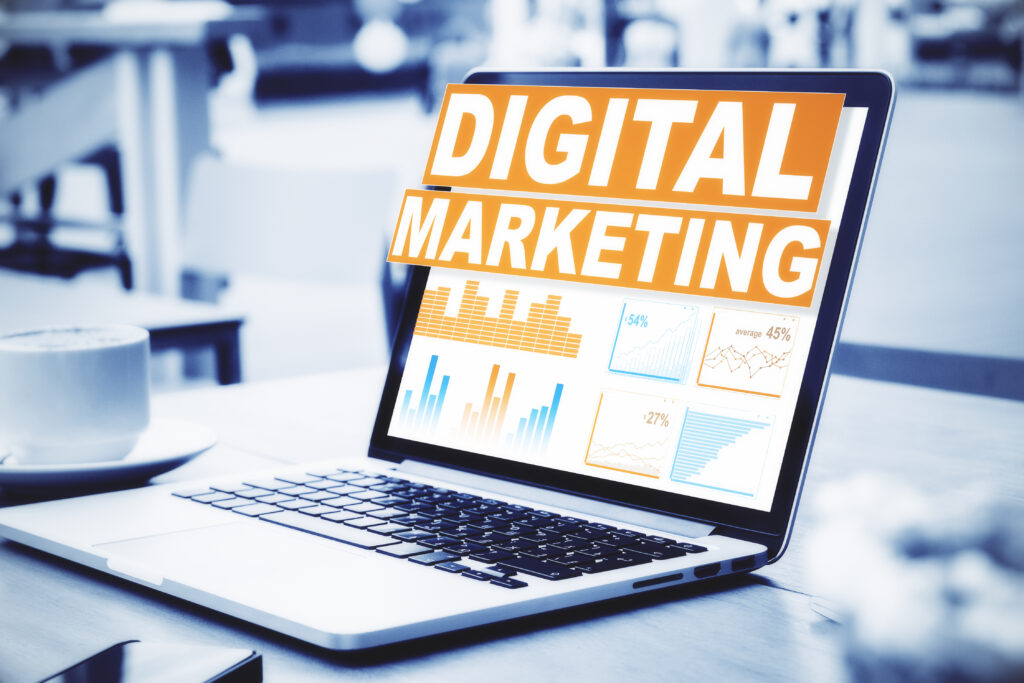
Digital marketing encompasses all marketing efforts that use an electronic device or the internet. Businesses leverage digital channels such as search engines, social media, email, and other websites to connect with current and prospective customers.
Why Digital Marketing Matters for Small Businesses
Unlike traditional marketing, which can be expensive and hard to measure, digital marketing allows you to reach a global marketplace with a relatively small budget. It provides the ability to interact with your prospects and learn exactly what they are looking for.
Traditional Marketing vs Digital Marketing
Traditional methods (print ads, billboards, TV) are often “spray and pray”—you hope your target audience sees your message. Digital marketing allows for hyper-targeting. You can ensure your ads are seen only by people who match your ideal customer profile.
Key Benefits
- Cost-effective: You can reach thousands of people for a fraction of the cost of a TV ad.
- Targeted: You can target by age, location, interests, and behavior.
- Measurable: You can see exactly how many people clicked your ad, visited your site, and bought your product.
2. Understanding Your Target Audience
Before you spend a dime on online marketing services, you need to know who you are talking to.
Defining Buyer Personas
A buyer persona is a semi-fictional representation of your ideal customer based on market research and real data about your existing customers. Give them a name (e.g., “Small Business Sam”). What are their goals? What are their challenges?
Market Research for Small Businesses
You don’t need an expensive firm to do this. Look at your competitors. Read online reviews. Survey your current email list. The goal is to understand the “why” behind their purchases.
Understanding Customer Pain Points
People don’t buy products; they buy solutions to problems. Does your product save them time? Does it save them money? Does it make them feel more confident? Identify the pain point, and your marketing becomes the cure.
Customer Journey Mapping
The journey is the path a customer takes from not knowing you exist to buying your product. It usually follows three stages: Awareness, Consideration, and Decision. Your content needs to address each stage.
3. Building a Strong Online Presence
Your online presence is your 24/7 storefront. If it looks neglected, customers will assume your business is too.
3.1 Website as Your Digital Foundation
- Importance of a Professional Website: Your website is often the first impression a customer has of you. It needs to establish credibility immediately.
- Mobile-Friendly & Fast-Loading: Google penalizes slow sites, and users abandon them. Ensure your site looks great on phones and loads in under three seconds.
- Conversion-Focused Layout: Don’t make visitors hunt for information. Use clear headlines and obvious buttons.
- Essential Pages: You need a Home page, an About Us page (to build trust), a Services/Products page, and a clear Contact page.
3.2 Search Engine Optimization (SEO)
- What is SEO? SEO is the practice of optimizing your content to rank higher in search engine results pages.
- On-Page SEO Basics: This involves using relevant keywords in your titles, headers, and content naturally.
- Technical SEO: This ensures search engines can crawl and index your site (sitemaps, site speed, secure connections).
- Local SEO: Vital for brick-and-mortar stores. This helps you appear when people search for “near me” services.
- Long-Term Traffic: Unlike ads, which stop working when you stop paying, good SEO compounds over time, bringing free traffic for years.
4. Content Marketing Strategy
Content is the fuel for your digital marketing engine. It establishes you as an authority.
What is Content Marketing?
It is a strategic marketing approach focused on creating and distributing valuable, relevant, and consistent content to attract and retain a clearly defined audience.
Types of Content
- Blogs: Great for answering customer questions and improving SEO.
- Videos: Highly engaging and favored by social algorithms.
- Infographics: Perfect for simplifying complex data.
- Case Studies: Proof that your product works.
Blogging Strategy for Small Businesses
Don’t just write about company news. Write about your customers’ problems. If you sell running shoes, write about “How to train for a 5K.”
Creating Value-Driven Content
Ask yourself: “Does this help my customer?” If the answer is no, don’t publish it. Helpful content builds trust, and trust leads to sales.
Content Calendar Planning
Consistency is key. Use a simple calendar to plan what you will post and when. This prevents the “what do I post today?” panic.
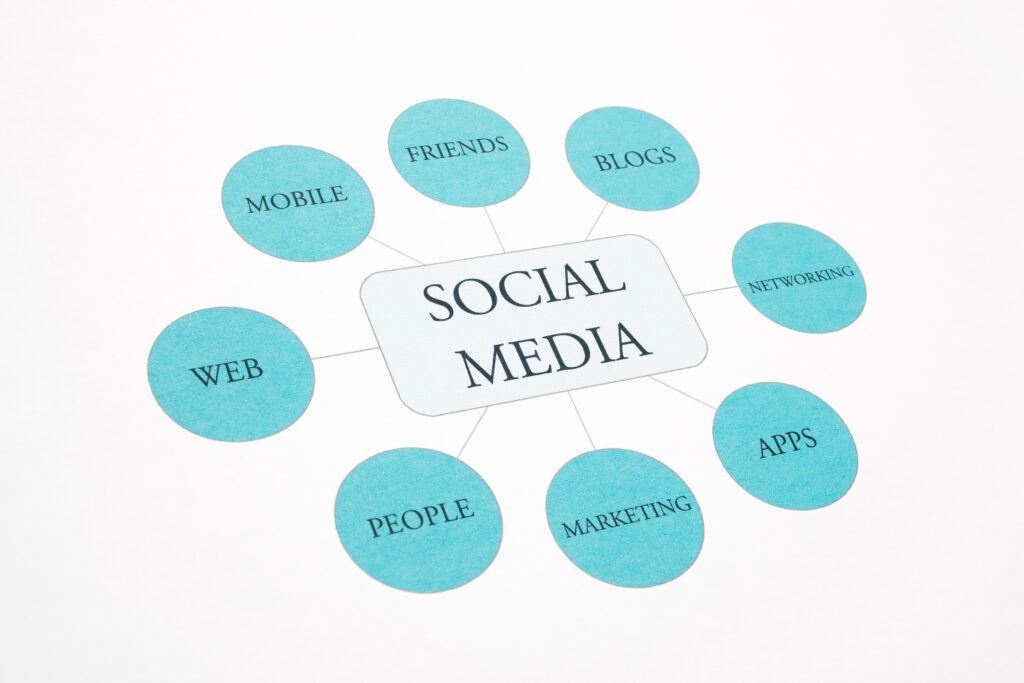
5. Social Media Marketing
Social media marketing is about meeting your customers where they hang out.
Choosing the Right Platforms
You don’t need to be everywhere. B2B businesses often thrive on LinkedIn. Fashion brands excel on Instagram. Pick one or two platforms and do them well.
Organic vs Paid Social Media
- Organic: Free posts to your followers. Good for community building.
- Paid: Ads targeted at strangers. Good for generating leads quickly.
Creating Engaging Content
Stop selling and start entertaining or educating. Use the 80/20 rule: 80% value-driven content, 20% promotional.
Social Media Posting Strategy
Post consistently. Engage with comments. Use stories to show behind-the-scenes footage. Humanize your brand.
6. Pay-Per-Click (PPC) Advertising
Sometimes you need traffic now. This is where SEO and PPC work together. While SEO takes time, PPC is instant.
Introduction to Google Ads
You bid on keywords so your ad appears at the top of search results. You only pay when someone clicks.
Facebook & Instagram Ads
These allow for incredible visual storytelling and demographic targeting. You can target people based on their hobbies, job titles, or even recent life events.
Keyword Research for PPC
Target “high intent” keywords. Someone searching for “best running shoes” is researching. Someone searching for “buy Nike running shoes size 10” is ready to buy.
Budgeting & ROI Tracking
Start small. Test different ads. If you spend $10 to make $20, scale up. If you lose money, pause and refine.
Common PPC Mistakes
- Sending traffic to your homepage instead of a specific landing page.
- Not using negative keywords (words you don’t want to show up for).
- Setting it and forgetting it.
7. Email Marketing
Despite the rise of social media, email remains the channel with the highest ROI.
Why Email Marketing Still Works
You own your list. Algorithms can’t hide your emails (mostly). It is a direct line to your customer’s pocket.
Building an Email List
Offer a “lead magnet”—something valuable like a discount code, a checklist, or an ebook—in exchange for their email address.
Types of Email Campaigns
- Newsletters: Keep you top of mind.
- Promotional: Announce sales.
- Transactional: Order confirmations and shipping updates.
Email Automation & Funnels
Set up a “Welcome Series.” When someone subscribes, they automatically get a series of 3-5 emails introducing your brand and offering value.
8. Local Digital Marketing Strategies
If you serve a specific geographic area, local marketing is your best friend.
Google Business Profile Optimization
Claim your free profile. Fill out every section. Add photos. Post updates. This is crucial for showing up on Google Maps.
Online Reviews & Reputation Management
Ask happy customers for reviews. Reply to every review—positive or negative. It shows you care.
Local Listings & Citations
Ensure your Name, Address, and Phone number (NAP) are consistent across the web (Yelp, Yellow Pages, Bing).
9. Conversion Rate Optimization (CRO)
Traffic is vanity; sales are sanity. CRO is the art of getting more visitors to take action.
What is CRO?
It’s the process of increasing the percentage of website visitors who complete a desired action (filling out a form, becoming a customer).
Landing Page Optimization
Remove distractions. Remove the navigation menu on sales pages. Keep the focus entirely on the offer.
Call-to-Action (CTA) Best Practices
Use action verbs. Instead of “Submit,” use “Get My Free Guide” or “Start Saving Today.” Make the button color pop.
A/B Testing Basics
Test two versions of a headline or button color to see which performs better. Let data, not gut feeling, make the decisions.
10. Analytics & Performance Tracking
You can’t improve what you don’t measure.
Setting Up Google Analytics
It’s free and powerful. Install it on your site immediately to track visitor behavior.
Key Metrics to Track
- Traffic: How many people are visiting?
- Bounce Rate: Are they leaving immediately?
- Conversion Rate: Are they buying?
Understanding Traffic Sources
Know where your visitors come from (Google, Facebook, Email). Double down on what works.
11. Marketing Automation Tools
Small business owners are busy. Let robots do the heavy lifting.
- CRM Systems: Tools like HubSpot or Salesforce organize your customer data.
- Email Automation: Tools like Mailchimp or Klaviyo handle your email sends.
- Chatbots: Handle basic customer service queries 24/7.
12. Budget Planning
How much should you spend?
Setting a Realistic Budget
A common rule of thumb is 7-10% of revenue, but for startups, this might be higher to gain traction.
Free vs Paid Channels
SEO and organic social media cost time. PPC and ads cost money. Balance the two based on your resources.
Scaling Your Marketing Efforts
Once you find a channel that delivers a positive ROI (e.g., for every $1 you put in, you get $3 back), pour more fuel on that fire.
13. Common Mistakes to Avoid
- Ignoring SEO: It’s a slow death for a website.
- Inconsistent Branding: Don’t be funny on Twitter and corporate on LinkedIn. Be recognizable.
- Not Tracking Results: Flying blind is a great way to crash.
- Poor Website Experience: If it’s hard to use, they won’t use it.
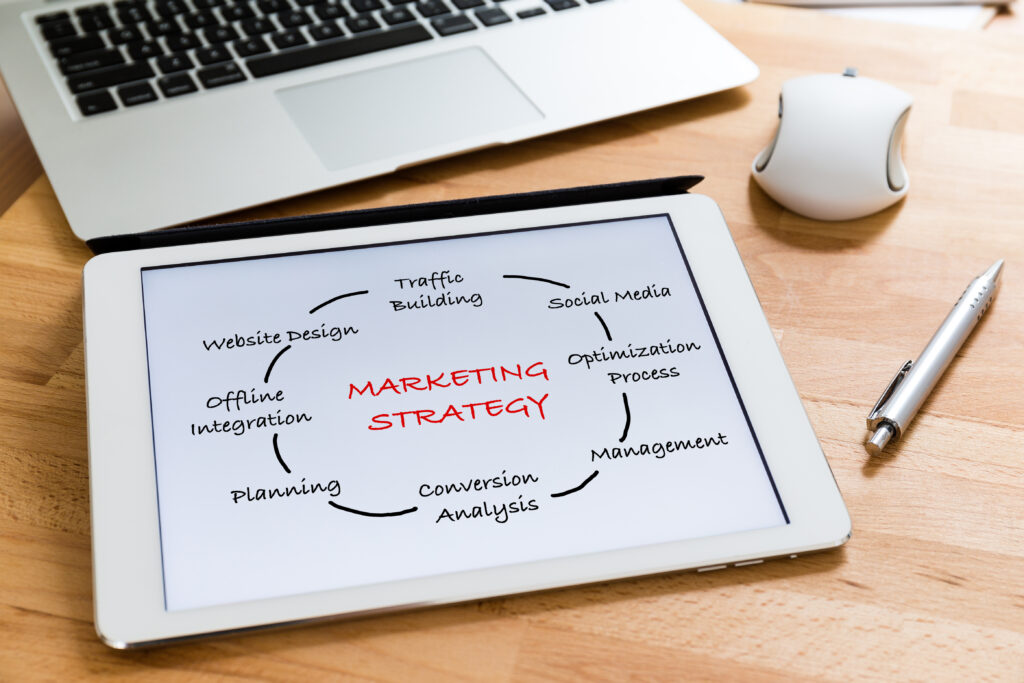
14. Creating a Simple Plan (Step-by-Step)
- Define Goals: “I want 10 new leads per month.”
- Choose Channels: “I will use LinkedIn and SEO.”
- Create Content Plan: “I will write one blog and post 3 times a week.”
- Launch: Start executing.
- Monitor & Optimize: Check numbers monthly and adjust.
15. Future Trends
The digital world moves fast.
- AI in Marketing: Using AI to write copy or create images.
- Voice Search: Optimizing for “Hey Google” queries.
- Video-First: TikTok and Reels are dominating attention.
- Personalization: Customers expect you to know what they like.
16. Conclusion
Digital marketing is a marathon, not a sprint. It requires patience, consistency, and a willingness to learn. By understanding the basics of SEO and PPC, mastering social media marketing, and building a solid content strategy, you can position your small business for long-term success.
Start with your website. Understand your audience. Pick one channel and master it. The digital world is waiting for you.
Web Development Services
We build fast, secure, and scalable websites tailored to your business goals. Our custom web development services focus on performance, user experience, and long-term growth.
Ecommerce Web Development
Launch a powerful online store designed to convert visitors into customers. Our ecommerce web development solutions combine seamless design, secure payments, and optimized checkout experiences.
Web App Development
Transform your ideas into high-performing web applications built for scalability and efficiency. Our web app development services deliver secure, user-friendly, and future-ready digital solutions.