



Running an online store is no longer just about having attractive products and a smooth checkout. Customers need to find your products before they can buy them. This is where SEO becomes an important part of ecommerce growth.
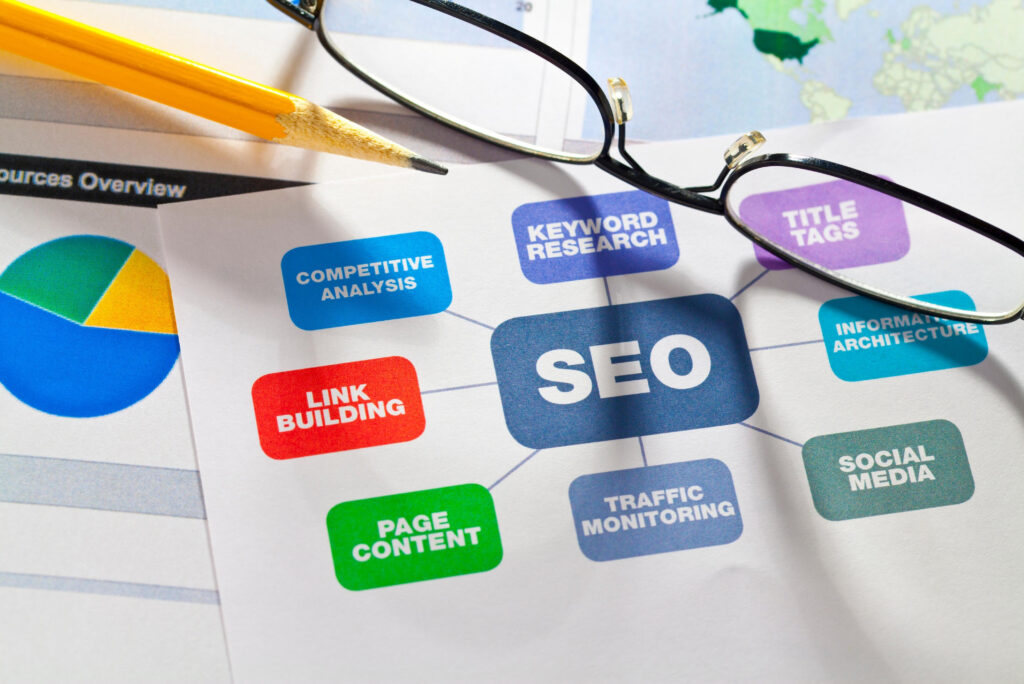
A well-planned ecommerce SEO strategy can help your product and category pages appear when people are actively searching for what you sell. Over time, better visibility can bring more relevant organic traffic, increase product discovery, and create more opportunities for sales.
Whether you manage a small online shop or a growing ecommerce brand, the right approach to SEO can make your website easier for both shoppers and search engines to understand.
What Is Ecommerce SEO?
Ecommerce SEO is the process of improving an online store so that its products, categories, and other useful pages can appear more prominently in relevant search results.
Unlike traditional SEO, ecommerce SEO often involves hundreds or thousands of URLs. Product descriptions, category pages, filters, variations, internal links, technical settings, images, and structured data can all influence how effectively search engines understand the website.
The goal should not simply be to attract more visitors. The goal is to attract qualified visitors who are genuinely interested in the products you offer.
Why SEO Matters for Online Stores
Paid advertising can generate traffic quickly, but the traffic generally depends on an ongoing advertising budget. Organic search can provide a different type of opportunity.
When a potential customer searches for a product, comparison, solution, or buying advice, appearing in those results can put your brand in front of people who already have an interest in the topic.
A strong SEO strategy can help an ecommerce business:
- Increase visibility for relevant searches
- Attract more qualified organic visitors
- Improve product discovery
- Build long-term search visibility
- Reduce dependence on paid traffic
- Support category and product sales
- Establish greater trust around the brand
However, SEO should be viewed as a long-term marketing investment rather than a shortcut to instant sales.
1. Start With Ecommerce Keyword Research
Keyword research is one of the foundations of ecommerce SEO.
Instead of targeting every keyword with high search volume, focus on terms that match your products and your customers’ buying journey.
For example, someone searching for “running shoes” may still be researching. Someone searching for “men’s waterproof running shoes size 10” has a much clearer product requirement.
Your keyword research can include several types of searches:
Informational Keywords
These searches indicate that someone wants to learn something.
Examples include:
- How to choose running shoes
- Best materials for outdoor furniture
- How to clean leather bags
Commercial Investigation Keywords
These searches often indicate that the person is comparing products or options.
Examples include:
- Best running shoes for beginners
- Leather vs synthetic handbags
- Best office chairs for back support
Transactional Keywords
These searches are closer to a purchase.
Examples include:
- Buy waterproof running shoes
- Women’s leather handbags online
- Office chair price
Create content and landing pages that match the intent behind each search instead of forcing every keyword onto a product page.
2. Optimise Product Pages
Your product pages are among the most important pages on an ecommerce website.
A useful product page should help shoppers understand exactly what they are buying.
Pay attention to:
- Clear product titles
- Helpful product descriptions
- High-quality product images
- Relevant specifications
- Available sizes, colours, or variations
- Price and availability information
- Shipping details
- Return information
- Genuine customer reviews where applicable
- Clear calls to action
Avoid copying manufacturer descriptions across hundreds of products. Unique descriptions can provide more useful information and help your pages stand apart from other stores selling the same products.
Write for customers first. Explain the product’s practical benefits, important features, limitations, and ideal use cases.
3. Build Strong Category Pages
Category pages are often overlooked in ecommerce SEO.
A well-structured category page can target broader commercial searches while helping visitors navigate your store.
For example, an online furniture store might have categories such as:
- Dining tables
- Office chairs
- Bedroom furniture
- Outdoor furniture
Each category should have a clear purpose and enough useful information to help visitors understand what they will find on the page.
Avoid creating thin category pages that contain little more than a product grid. Where appropriate, add useful introductory content, buying guidance, FAQs, and internal links.
4. Improve Your Website Structure
A logical website structure makes it easier for visitors and search engines to discover important pages.
A simple ecommerce structure might look like:
Homepage → Category → Subcategory → Product
For example:
Homepage → Furniture → Dining Tables → Oak Dining Table
Use descriptive navigation and connect related pages with internal links.
Internal linking can also help shoppers discover related products, guides, and categories. More importantly, it gives search engines additional context about the relationships between pages.
5. Pay Attention to Technical SEO
Technical problems can limit the performance of even well-written ecommerce content.
Regularly check your website for issues such as:
- Broken links
- Slow-loading pages
- Incorrect canonical tags
- Duplicate URLs
- Poor mobile usability
- Missing or incorrect redirects
- Indexing problems
- Unnecessary parameter URLs
- Blocked important resources
- Poor website architecture
Ecommerce websites can become technically complicated because of filters, sorting options, product variations, and dynamically generated URLs.
A technical SEO audit can help identify problems that may otherwise remain unnoticed.
6. Make Your Store Mobile-Friendly
A large portion of online shopping happens on mobile devices, so your store needs to work well on smaller screens.
Customers should be able to:
- Navigate categories easily
- Read product information
- View images clearly
- Select product variations
- Add products to their basket
- Complete checkout without unnecessary friction
Mobile SEO is not only about screen size. It is also about creating a smooth experience from the first search click through to purchase.
7. Improve Page Speed
Slow websites can create frustration before customers even see your products.
Large images, unnecessary scripts, poorly configured plugins, excessive third-party tools, and inefficient hosting can all contribute to slow performance.
Consider:
- Compressing images
- Using modern image formats
- Reducing unnecessary scripts
- Improving server response time
- Caching frequently accessed resources
- Removing unused website functionality
- Monitoring Core Web Vitals
The objective is not simply to achieve a perfect technical score. Focus on creating a fast, stable experience for real visitors.
8. Use Product Structured Data Correctly
Structured data can help search engines understand information about products.
Depending on your website and implementation, product structured data can communicate details such as product names, prices, availability, ratings, and other relevant information.
Google provides specific documentation for ecommerce product and merchant listing structured data. Following the official requirements is important because incorrect or misleading markup can prevent eligibility for certain search appearances.
You can review Google’s current guidance on Product structured data and merchant listings.
Remember that structured data does not guarantee enhanced search results. It simply helps search engines understand eligible content when the implementation follows the relevant guidelines.
9. Create Useful Content Around Your Products
Product pages are only one part of ecommerce SEO.
Supporting content can help your website reach customers earlier in the buying journey.
For example, a skincare store could publish:
- How to choose a moisturiser for dry skin
- What ingredients to look for in a face cleanser
- How to build a simple skincare routine
A home furniture store could create:
- How to choose the right dining table size
- Small dining room furniture ideas
- How to care for wooden furniture
This type of content can attract informational searches and naturally guide readers toward relevant products.
The key is usefulness. Don’t publish articles simply because they contain keywords. Every piece of content should answer a real customer question or solve a genuine problem.
10. Optimise Images for Search and Users
Images are particularly important for ecommerce websites because shoppers want to see products before purchasing.
Use clear, high-quality images that accurately represent the product.
Also pay attention to:
- Descriptive file names
- Relevant alt text
- Appropriate image dimensions
- Image compression
- Multiple product views
- Mobile-friendly image presentation
Avoid stuffing keywords into image alt text. Describe the image naturally and accurately.
11. Earn Relevant Backlinks
Links from reputable and relevant websites can help strengthen your site’s authority and discoverability.
Instead of focusing on purchasing large quantities of low-quality links, work on earning genuine mentions.
Potential opportunities include:
- Industry publications
- Relevant blogs
- Supplier relationships
- Product reviews
- Expert contributions
- Digital PR
- Useful original research
- Industry directories where appropriate
Quality and relevance matter more than simply collecting a large number of backlinks.
12. Improve Trust With Genuine Reviews
Customer reviews can help shoppers make purchasing decisions and provide additional useful information about your products.
Encourage genuine customers to leave honest feedback after purchasing.
Good reviews can answer questions that product descriptions may not cover, such as:
- How the product fits
- How durable it feels
- How easy it is to use
- Whether the colour matches the photos
- How the product performs in real-world situations
Never create fake reviews simply to make a product appear more popular. Authenticity is important for both customers and long-term brand trust.
13. Use SEO Data to Improve Your Strategy
SEO should not be a one-time project.
Monitor important metrics regularly, including:
- Organic clicks
- Organic impressions
- Search queries
- Product page traffic
- Category page traffic
- Conversion rate
- Revenue from organic traffic
- Indexed pages
- Ranking trends
- Technical errors
Google Search Console can provide useful information about how your website appears in Google Search. Google’s SEO documentation also provides guidance on creating helpful, reliable, people-first content and meeting technical requirements.
Review the Google Search Central documentation regularly as search practices and documentation evolve.
Should You Hire an Ecommerce SEO Agency?
Managing ecommerce SEO internally is possible, but larger stores can quickly become complicated.
An ecommerce SEO agency can help with areas such as technical audits, keyword research, content planning, product page optimisation, internal linking, structured data, and performance monitoring.
A professional SEO company may also be useful when your team does not have enough time or specialist knowledge to manage a growing website.
When comparing an SEO agency UK businesses can work with, look beyond promises of quick rankings. Ask how the agency approaches technical SEO, content quality, reporting, ecommerce platforms, and measurable business outcomes.
The right partner should be able to explain what they recommend and why.
Common Ecommerce SEO Mistakes to Avoid
Some SEO tactics can create more problems than benefits.
Avoid:
- Keyword stuffing
- Copying product descriptions
- Creating hundreds of low-value pages
- Buying irrelevant backlinks
- Publishing AI-generated content without meaningful editing or expertise
- Hiding important information from users
- Creating misleading structured data
- Ignoring mobile users
- Focusing only on rankings instead of conversions
Google’s search guidance places strong emphasis on useful, reliable content created primarily to help people. Your ecommerce SEO strategy should follow the same principle.
Final Thoughts
Successful ecommerce SEO is built from many small improvements rather than one magic tactic.
Start with the basics: understand your customers, research relevant search intent, optimise product and category pages, improve technical performance, strengthen internal linking, create useful supporting content, and monitor results.
As your store grows, continue refining your strategy based on real search data and customer behaviour.
Whether you handle SEO internally or work with an ecommerce SEO agency, the goal should remain the same: make your products easier to discover, make your website easier to use, and give shoppers enough useful information to make confident purchasing decisions.
That combination can create a stronger foundation for sustainable organic traffic and long-term ecommerce growth.
Related Posts
How to Choose the Right SEO Agency for Your Business in the UK
Finding the right SEO partner can make a significant difference to your online success. Whether…
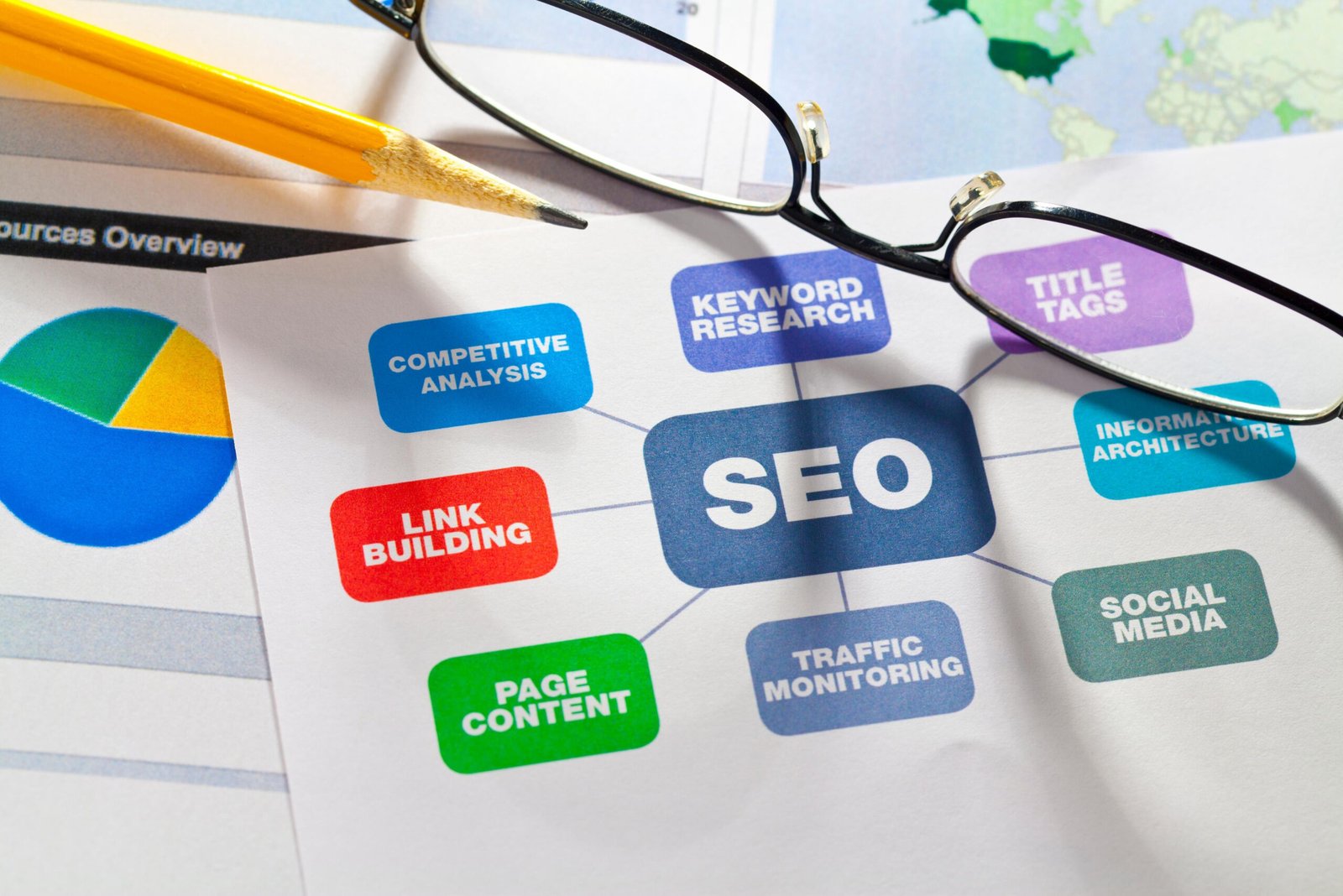
SEO in 2026: The Complete Guide to Growing Your Business Online
In 2026, having a website is no longer enough to grow a business online. Customers…
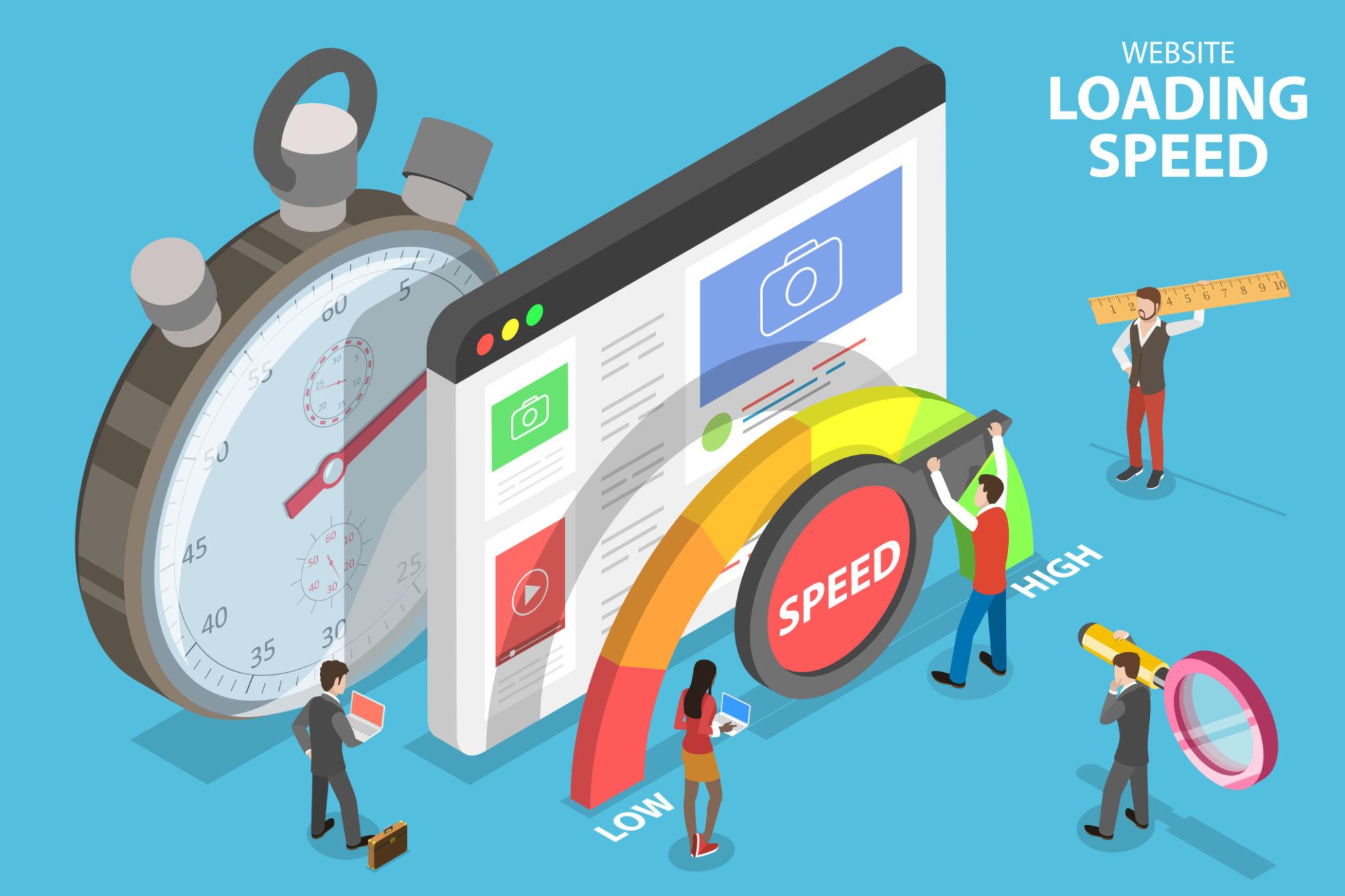
Why Website Speed Matters for SEO and User Experience
The Role of Website Speed in Modern SEO Search engines like Google consider speed a…
Local SEO Strategies to Get More Leads for Your Business
In today’s competitive digital landscape, simply having a website isn’t enough. If your business relies…